Apple Priced a Pocket Music Library at $399 25 Years Ago
The original iPod offered 5GB of storage for 1,000 songs, a feature set that defined personal audio until smartphones rendered it obsolete.
By Ahmed Peterson ·
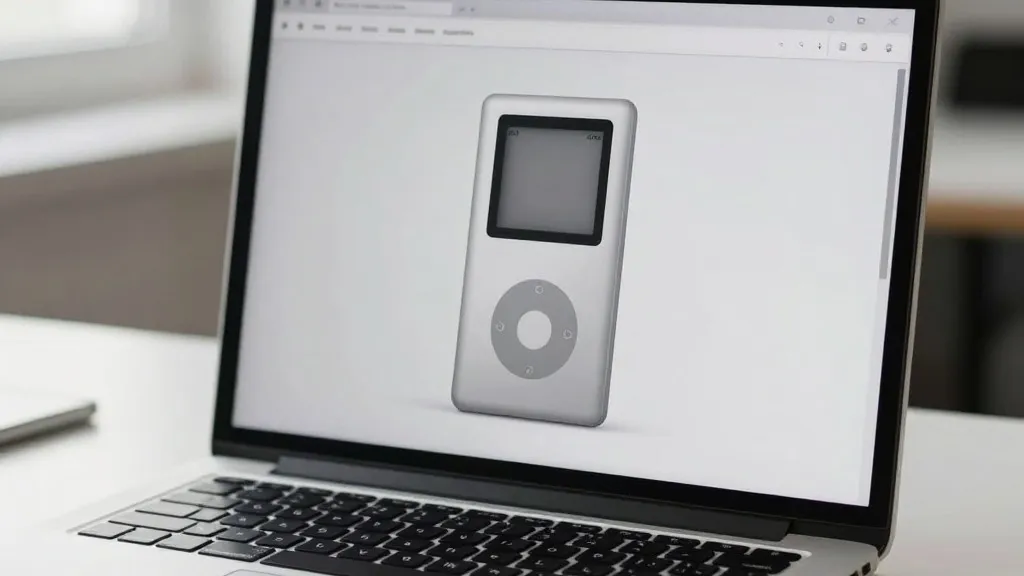
Steve Jobs unveiled the first iPod on October 23, 2001, setting the price at $399 for a device capable of holding approximately 1,000 songs. The announcement marked a shift in how consumers accessed music, moving the entire library from a home computer to a portable unit. At the time, the product served as a strategic pivot for Apple, which was recovering from the dot-com bubble burst and seeking to expand beyond its core Macintosh business.
The device featured 5GB of hard-disk storage, allowing it to store roughly 1,000 MP3 files encoded at 160Kbps. Jobs described the capacity as equivalent to a user's entire music collection. The hardware relied on a 1.8-inch drive from Toshiba that was 0.2 inches thick. This component allowed the player to measure 2.4 by 4 by 0.78 inches and weigh 6.5 ounces, a specification Apple noted was lighter than most mobile phones of that era.
Apple emphasized speed as a primary differentiator. The player used a FireWire 400 connection for both charging and data transfer. Jobs claimed this interface could transfer a full CD of music in five to 10 seconds, a process that took about five minutes via standard USB connections. Transferring the full 1,000-song library required approximately 10 minutes over FireWire, compared to five hours over USB. A lithium-polymer battery provided 10 hours of continuous playback, with Apple stating the unit could reach 80% charge in one hour.
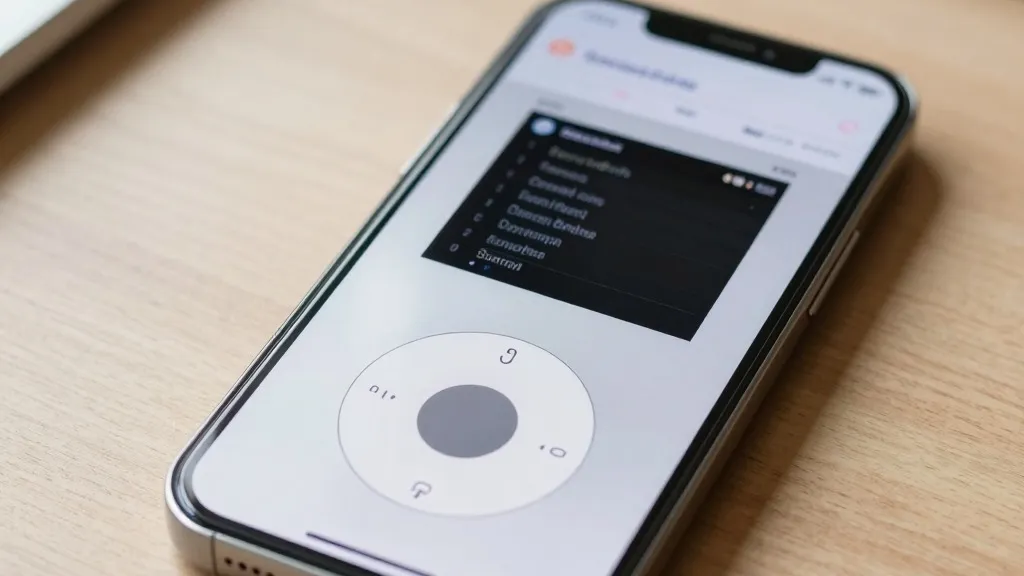
The interface featured a scroll wheel with piezoelectric feedback to aid navigation through playlists and artist names. Jobs demonstrated the device using Sarah McLachlan's track "Building a Mystery." The launch coincided with the release of iTunes 2, which introduced automatic syncing and MP3 CD burning capabilities. This integration ensured that libraries curated on a Mac would update the iPod whenever the device was connected.
Jobs selected music as the initial market entry point because established competitors like Sony and Creative had not yet solved the user experience for digital audio. He categorized the existing market into four groups: CD players, MP3 CD players, flash players, and hard-disk jukebox players. Apple positioned the iPod as the superior version of the last category, focusing on ease of use and portability rather than just storage volume.
The iPod line persisted alongside the iPhone, which launched in early 2007. The two products coexisted for over a decade before the iPod's market share declined. Apple released the seventh-generation iPod Touch in May 2019. The company officially discontinued the product line in May 2022 after three years without updates.
Source: Tom's Hardware