Democrats Sweep Congress and Statehouses in Historic 2026 Midterm Victory
Voters rejected the Republican administration and its war with Iran, handing Democrats control of the House, Senate, and a record number of state governments.
By Ahmed Peterson ·
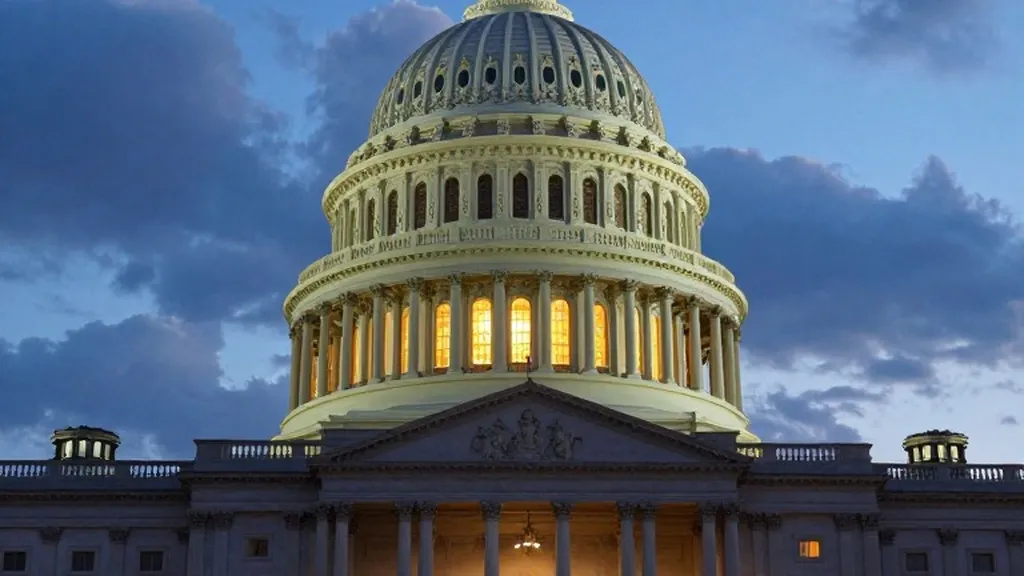
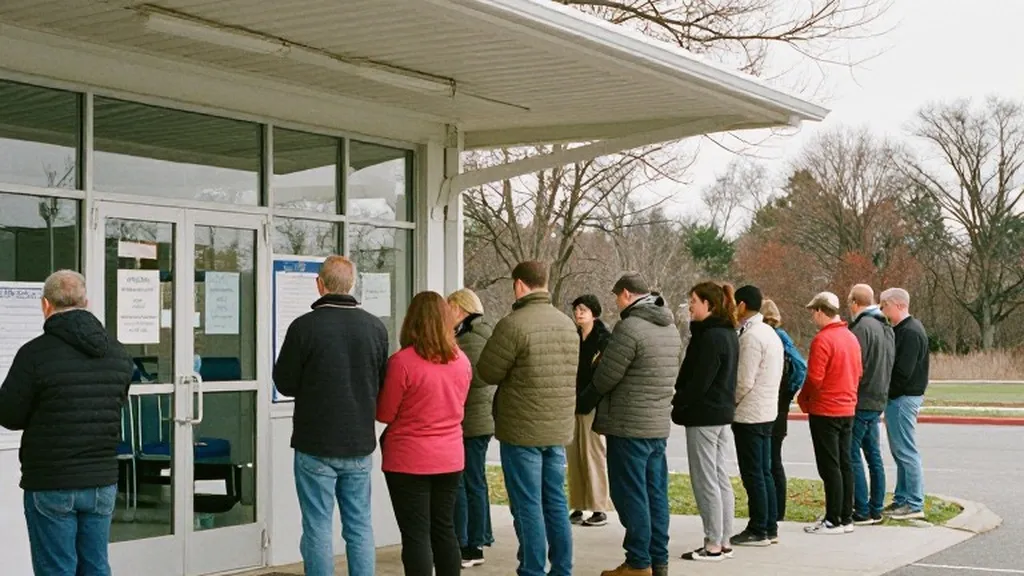
The Associated Press reports that Democrats have secured a decisive victory in the 2026 midterm elections, taking control of both chambers of the U.S. Congress and a wave of state governments. As of early Wednesday morning, the party had won 233 seats in the House of Representatives and 20 seats in the Senate, according to Ballotpedia data. This outcome marks a fundamental reshaping of power in Washington, ending two years of unified Republican control and delivering a divided government that will now face President Donald Trump.
House Democratic Leader Hakeem Jeffries of New York, who is expected to become the first Black speaker of the House, framed the result as a direct response to voter demands. He stated that the party hears the public and is prepared to work hard to deliver the dramatic change voters deserve. The winning margin in the House is significant, with Democrats gaining a net thirty seats from the previous cycle. In the Senate, the party gained seven seats, flipping control from a Republican majority of 53 to 47 to a Democratic majority.
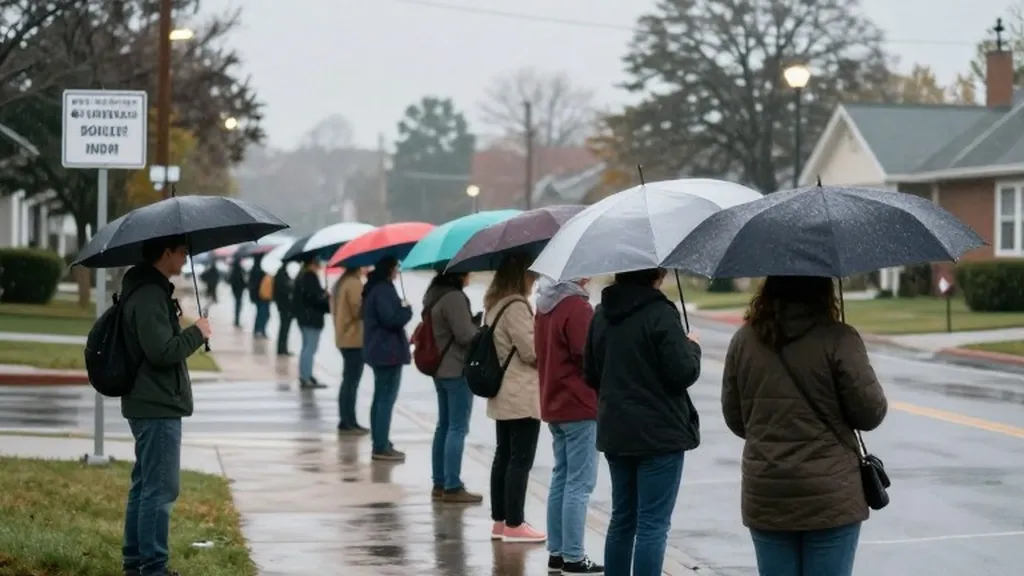
The election was characterized as a referendum on the presidency, with voters citing dissatisfaction with the economy and the ongoing war with Iran. The AP Voter Poll indicated that about three-quarters of voters felt angry or dissatisfied with the country's trajectory. Concerns over the cost of living, including high gas prices and grocery bills, were central to the campaign. The war in Iran, which has sent fuel prices soaring, was a major factor in the Democratic surge, according to the Associated Press.
Beyond Congress, the Democratic gains extended deeply into state politics. According to Ballotpedia, Democrats won 22 of the 36 gubernatorial races on the ballot, taking five offices from Republicans. This included historic wins in Georgia, Iowa, Ohio, and Texas. In Texas, Gina Hinojosa became the state's first Democratic governor since 1994. The party also gained full control of the state legislatures in at least five states where they previously shared power, including Wisconsin, Michigan, Minnesota, and Pennsylvania.
The Republican strategy of mid-decade redistricting, urged by President Trump, failed to secure an advantage. Former Attorney General Eric Holder, chair of the National Democratic Redistricting Committee, described the plan as systematically dismantled. Voters rejected the new maps in states like Florida, Texas, and Alabama. In Florida, Democratic Rep. Jared Moskowitz won reelection in a redrawn district, telling reporters that the Republicans spent $26 million trying to beat him but lit that money on fire. The AP notes that the redistricting often angered voters and failed to account for shifting public opinion on the president.
In the Senate, Democrats defeated Republican incumbents in several key states, including South Carolina and Kansas, where the party had not elected a senator since 1932. The victory in Kansas is particularly notable as it breaks a long-standing Republican hold on the seat. The Associated Press reports that the party will now hold at least 28 governorships in 2027, a significant increase from the previous cycle. These state-level wins allow Democrats to address kitchen-table issues such as education, healthcare access, and tax relief without the obstruction of unified Republican control in many statehouses.
President Trump reacted to the losses with a mix of conciliation and deflection. On Wednesday, he held a press event at the White House ballroom construction site, focusing on the building project rather than the election results. He claimed that if he were on the ballot, he would have won in a landslide. However, he also told Politico that he did not want to spend the next two years vetoing everything, suggesting a willingness to work with the new Democratic majority. The AP reports that Trump used late campaign rallies to implore supporters to pretend he was on the ballot, a strategy that voters now appear to have rejected.
Vice President JD Vance, who is not running for president, publicly broke from the president's defense of the Iran war following the election. He attempted to distance himself from the administration's handling of the conflict, which was a key driver of voter dissatisfaction. The Associated Press notes that the election results will likely lead to increased oversight of the executive branch. House Democrats have promised a 100-day agenda that includes efforts to lower the cost of gas and groceries and to reverse cuts to healthcare programs.
The new Congress will face immediate pressure to show results on economic issues. Sen. Ron Wyden, the top Democrat on the Senate Finance Committee, signaled a robust oversight agenda by issuing a one-word missive: Subpoenas. Rep. Robert Garcia, the top Democrat on the House Oversight Committee, warned the administration to lawyer up. These statements reflect the party's intent to hold the administration accountable for its actions over the past two years. The Democratic victory is the biggest single-election change of partisan power in state governments since 2010, according to Katie Owens Hubler of the National Conference of State Legislatures.
In Wisconsin, which served as a bellwether for the election, Democrats flipped both chambers of the state legislature, breaking a 16-year Republican majority. Devin Remiker, chairman of the state's Democratic Party, said it is now time to deliver. The state will also have an evenly divided congressional delegation in 2027, as Democrats picked up two seats despite maps that favored Republicans. The victory in Wisconsin highlights the broad nature of the Democratic wave, which extended to both urban and rural areas, driven by frustration over inflation and the lack of affordable housing.