Senate 2026: The 13 Battlegrounds Deciding Control of Congress
Democrats need a net gain of four seats to reclaim the majority, facing a Republican money advantage and tough ratings in key swing states.
By Yasmin Duda ·
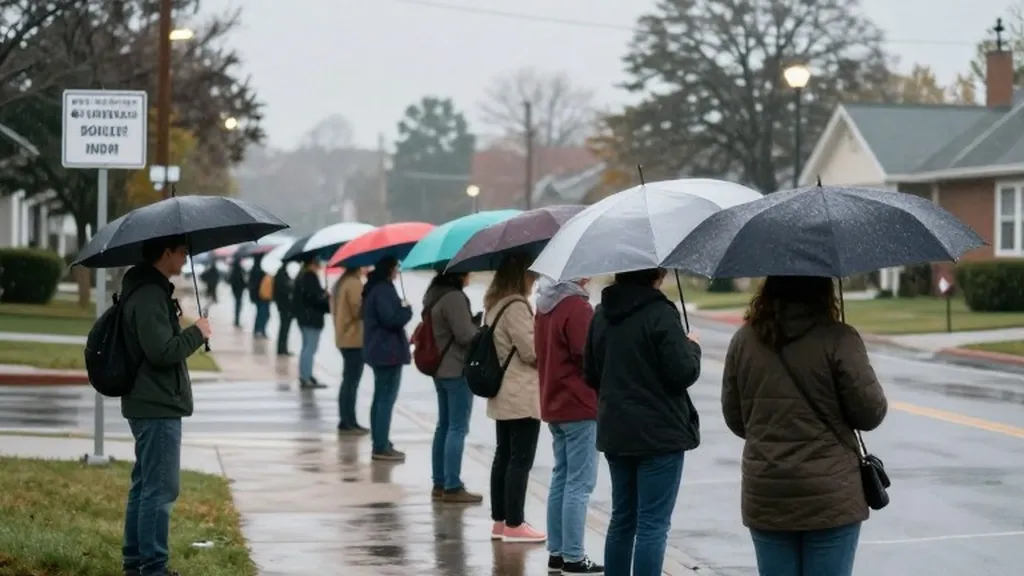
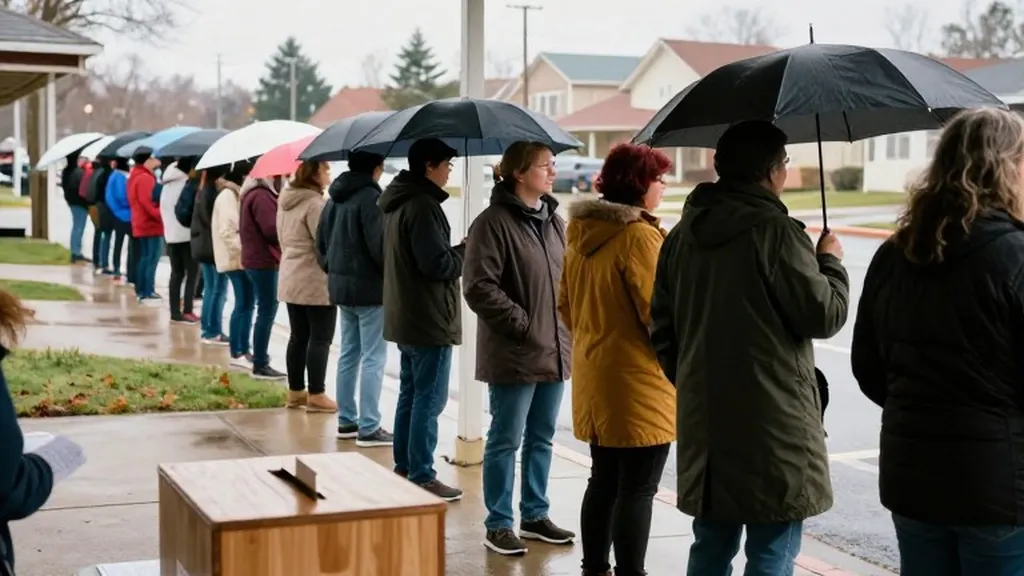
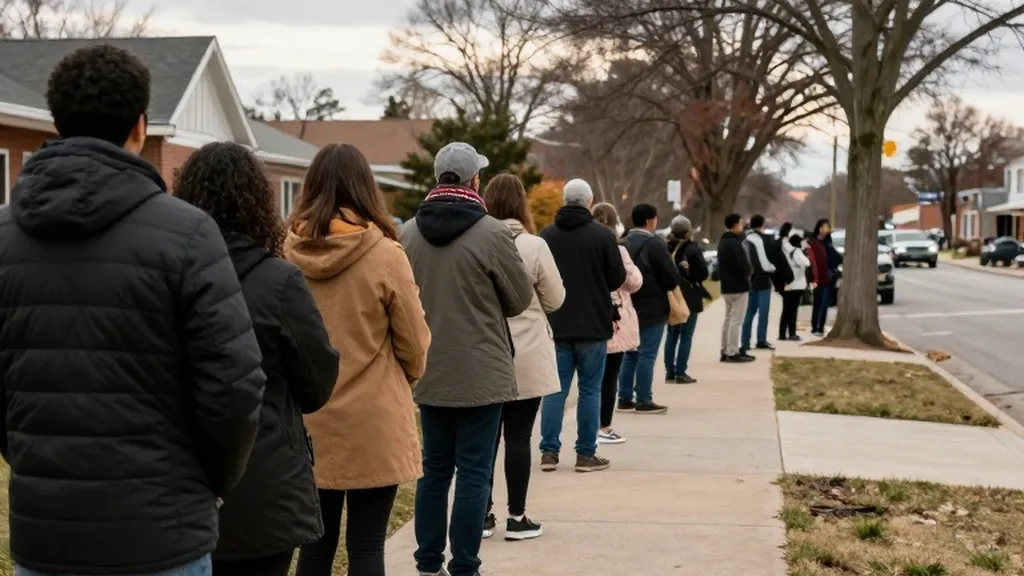
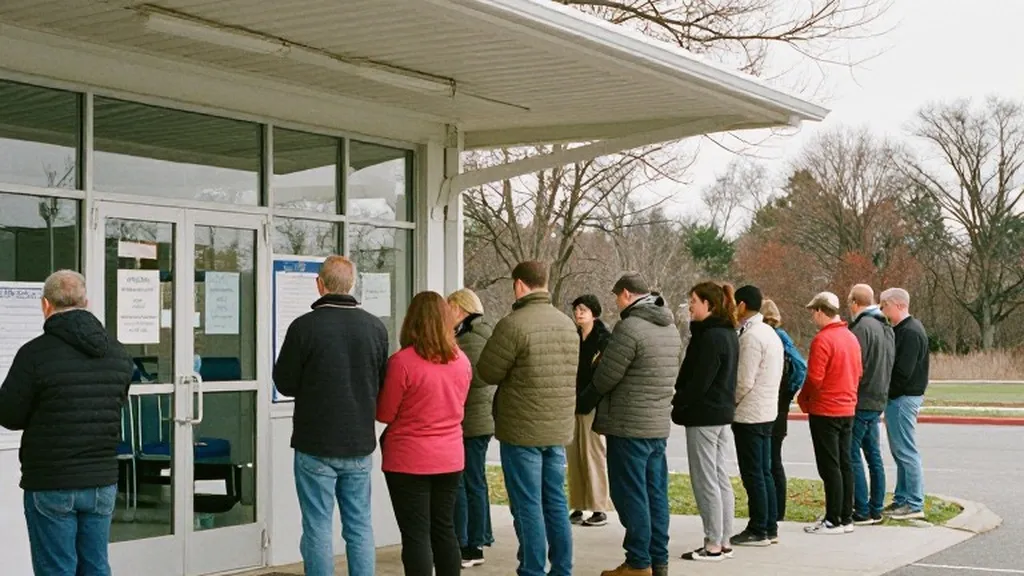
Voters across the United States are heading to the polls on Tuesday, November 3, 2026, to decide the composition of the U.S. Senate. This midterm election occurs halfway through President Donald Trump's second term, and the outcome will determine which party controls the chamber for the final two years of his presidency. According to Ballotpedia, 35 of the 100 Senate seats are up for grabs, including 33 regular elections and two special elections. The special seats represent the remaining terms for Florida and Ohio, positions originally filled by Marco Rubio and JD Vance in 2022. The current balance of power sees Republicans holding 53 seats, Democrats holding 45, and two independents who caucus with the Democrats.
For Democrats to reclaim control of the Senate, they need to win a net gain of four seats from the Republicans. This is a steep requirement given the current majority. Republicans, conversely, can afford to lose only two seats and still maintain their grip on the chamber. The Associated Press describes the election as a referendum on the president's second term, noting that voters are struggling with high prices and are angry over an unpopular war with Iran. Polling data from the AP and NORC indicates that 35 percent of U.S. adults approve of Trump's job performance, while about seven in ten say the country is heading in the wrong direction.
Thirteen Senate races are considered battlegrounds, and the ratings for these contests have shifted in recent weeks. As of October 27, Maine is rated a toss-up by Cook, Decision Desk, Inside Elections, and Sabato. The race there features Republican Senator Susan Collins against Democratic former state Senate President Troy Jackson. The AP notes that economic strain and tariffs have made the state highly competitive. Other key races include Iowa, which is rated a toss-up or tilts Republican, and Kansas, which ranges from a toss-up to a lean Republican race. Alaska and Michigan are currently rated as toss-ups to lean Democratic, while Georgia is seen as leaning to likely Democratic.
The political landscape is complicated by the fact that 11 senators are not running for reelection. This includes four Democrats and seven Republicans. In Iowa, Senator Joni Ernst is retiring, opening up a seat in a state where Trump won by 13.2 points in 2024. In Michigan, Senator Gary Peters is retiring, leaving an open seat in a state that Trump won by a narrow 1.4 points. North Carolina is another critical open seat following the retirement of Thom Tillis, who clashed with the president. The AP highlights the matchup in North Carolina between Democratic former Governor Roy Cooper and former Republican National Committee chair Michael Whatley.
In Ohio, the special election features Democratic former Senator Sherrod Brown against Republican Senator Jon Husted. Trump won the state by 11.2 points in the 2024 presidential election. In Texas, Republican Attorney General Ken Paxton is running against Democrat James Talarico for the seat vacated by John Cornyn. Trump backed Paxton over Cornyn in the primary, signaling strong support for the incumbent's side. The AP notes that the Trump administration filed a lawsuit related to the certification of the Senate result in Alaska, adding a layer of legal scrutiny to that race.
Democrats face significant obstacles in their bid for a majority, primarily the Republican advantage in campaign spending. The 2026 elections are likely to be the most expensive in history. Republican committees outraised and outspent Democratic committees at the committee level, helped by Trump-affiliated groups and Elon Musk. According to an AP analysis of AdImpact data, 88.1 percent of Republican general election TV ad spending went to states and districts that Trump won in 2024. This includes more than $850 million in spending in areas where he won by 10 points or more. However, at the candidate level, Democrats outraised their opponents, suggesting a different dynamic in specific race campaigns.
Redistricting also plays a role in the political calculations. Six states are using new congressional maps after mid-decade redistricting: California, Florida, Missouri, North Carolina, Tennessee, and Texas. Ohio is also using a new map. Republicans tried to beat the typical midterm pattern, where a president's party almost always loses seats, by leveraging these redistricting efforts. However, new districts in Florida and elsewhere may not vote as drawn, according to the AP. This uncertainty adds to the complexity for both parties as they mobilize voters on Election Day.
The mood among Democrats is described as cautiously optimistic. House Democratic Leader Hakeem Jeffries, who would be the first Black speaker if Democrats win the House, has outlined a 100-day agenda focused on the cost of living and oversight. A strong Democratic night in the Senate would boost potential 2028 candidates like Gavin Newsom, JB Pritzker, and Pete Buttigieg. It could also complicate the path for Vice President JD Vance. Republicans, led by RNC Chairman Joe Gruters, are bracing for a potential loss in the House but fighting to hold the Senate. Gruters stated that everything depends on turnout, emphasizing the need to mobilize their base.
Voters are also watching the administration's efforts to influence the election. Trump has continued to make claims about voting fraud, including that noncitizens vote in large numbers. His administration sued in Alaska and California, and Democrats fear interference as the Justice Department threatens to prosecute local election officials. A federal judge temporarily barred the administration from carrying out a plan to prevent noncitizen voting, and another judge ordered the administration to stop demanding that California officials segregate ballots cast by people on its lists of suspected noncitizens. These legal moves have raised concerns about the integrity of the voting process.