Trump orders warships to stop 50 yards off Cuba
Rubio invites Cubans to a secret partnership with the CIA as the president revives a naval plan for returning vessels.
By Enzo Conti ·
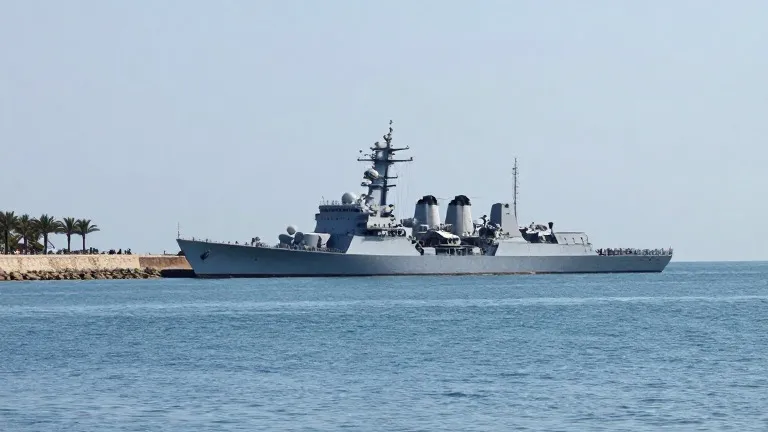
Fifty yards. That is the distance President Donald Trump says American warships will maintain when they stop near the Cuban coast on their way back from the Iran war.
The president announced the plan at a campaign rally in south Florida on Friday. He responded to a shout from the crowd asking about the island nation. He described the ships passing Cuba and one vessel halting close to the shore. "They'll raise up their hands," he said. "And then we're going to send Marco Rubio in to finish up the deal."
Secretary of State Marco Rubio issued a matching call for action later that day. In a social media post addressed to those who seek positive change, he declared that now is the time. He cited failed promises, corruption, and the privileged lives of a few as reasons for the current discontent. He urged Cubans to seize the opportunity for change through a discrete partnership with the CIA.
The word choice in the post drew attention. Rubio used the word discrete, which means separate. He likely meant discreet, which means private or secret. Rubio's parents left Cuba for the United States before the socialist revolution. He has not addressed the island in depth publicly for several weeks.
Havana reacted with mockery. Cuban deputy foreign minister Carlos Fernandez de Cossio wrote on X that the United States was resorting to public recruitment for the CIA. He added that there must be a great deal of desperation or misery within the agency for it to be forced to sell its services like a tube of toothpaste.
This is not the first time Trump has floated the idea. He mentioned the warship stopover earlier in the year but had not brought it up in recent months. The revival of the plan comes just days before midterm elections. Voters there have voiced concern about how the war on Iran has affected prices for goods ranging from gas to groceries.
Rubio and Trump have both sounded aggressive on the subject. In May, they raised the prospect of military action. That threat carried weight after the administration announced criminal charges against former Cuban leader Raúl Castro. Trump told reporters in the Oval Office that it looks like he will be the one that does it. Rubio said Cuba had long been a national security threat because of its ties to US adversaries.
Diplomacy has been uneven. Rubio and other senior aides met Cuban officials in recent months to explore better relations. The US side came away unimpressed, and more sanctions followed. In his speech to the UN general assembly last month, Trump said Rubio was deep into negotiations. Days later, he told reporters he expected the two countries will make a deal and did not think the military would be needed.
Earlier this week, the two governments clashed at the UN. Washington sought to build opposition to an upcoming annual vote condemning the US economic embargo. Cuba has been in an economic and energy crisis since 2020. Its gross domestic product has shrunk, and its 10 million residents have faced blackouts, food shortages, and inflation. Hundreds of thousands of Cubans have emigrated, many to the United States.
Source: The Guardian
More Politics · World news · Report a business · Got a Story?