Israelis may govern without a majority as opposition leaders disagree on next steps
Gadi Eisenkot proposes a 58-seat minority cabinet to lead the country, a plan that Naftali Bennett and Avigdor Liberman reject in favor of a full Zionist majority.
By Ahmed Peterson ·
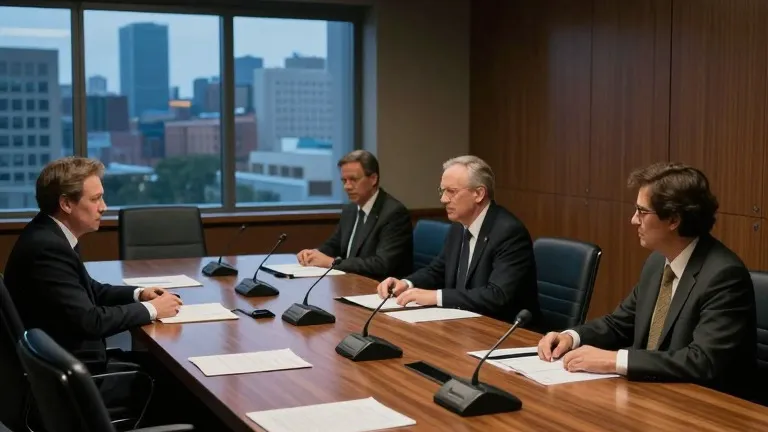
Gadi Eisenkot is pushing to lead Israel's next government with as few as 58 seats, a strategy that splits the opposition bloc ahead of the upcoming election. While most polls place the anti-Netanyahu camp ahead of the current ruling coalition, the parties seeking change currently hold fewer than the 61 seats required for a stable majority. Eisenkot argues that a minority government could be sworn in after passing a confidence vote, relying on abstentions to reach a majority, and then work to expand its support within the Knesset.
The legal distinction between forming a government and removing one is central to this debate. A new cabinet only needs a majority of votes in favor to take office, meaning abstentions help. However, a constructive vote of no confidence against an incumbent, such as Prime Minister Benjamin Netanyahu, requires 61 MKs to support a specific alternative. This means Eisenkot’s plan could allow for a new government if the opposition wins 58 or 59 seats, but it would not allow them to topple a sitting Netanyahu administration by simple majority.
Naftali Bennett and Avigdor Liberman oppose the minority route. Liberman, head of Yisrael Beytenu, insists on a Zionist majority from the start and has stated that another election is preferable to a government that fails to meet his conditions. He rejects a unity arrangement with Netanyahu and claims some Likud members would support a government without him, though he has not named specific MKs. Bennett, alongside Yair Lapid, also demands a government that does not rely on the votes or abstentions of Arab parties.
Despite their differences on the final government structure, the parties are moving toward a consensus on replacing Knesset Speaker Amir Ohana. This change is viewed as a way to secure control of the parliamentary agenda before a coalition is formed. The bloc could use support from Arab party MKs to elect a new speaker, a move that would allow them to set the legislative schedule even if Netanyahu remains as caretaker leader.
Candidates for the speakership include Chili Tropper, Matan Kahana, and Elazar Stern from Eisenkot’s list; Meirav Ben-Ari and Eitan Ginzburg from the Bennett-Lapid list; Efrat Rayten of the Democrats; and attorney Oded Forer. Liberman estimates that up to one-third of outgoing coalition MKs might vote against Ohana, provided they do so in a public vote. No single candidate has been agreed upon yet.
The opposition also aims to advance a state commission of inquiry into October 7, changes to conscription laws, and limits on the prime minister's tenure. Liberman seeks a specific bar on individuals facing criminal charges serving as prime minister. While party teams have begun coordinating on these legislative goals, no binding agreement exists on the order or details of these bills.
A meeting between Eisenkot and Liberman this week resulted in a joint call to increase voter turnout but did not resolve their conflict over the government's size. Leadership rivalry persists, with Eisenkot seeking to head the largest party and Bennett citing his experience as a former prime minister. The memory of the previous Bennett-Lapid government, which collapsed before passing its key laws, continues to influence the current negotiations.
Source: The Jerusalem Post
More Politics · World news · Report a business · Got a Story?