Voters weigh Iran war costs in pivotal 2026 midterm showdown
With polls open, the unpopular conflict has become a central factor for Democrats seeking to reclaim congressional control.
By Ahmed Peterson ·
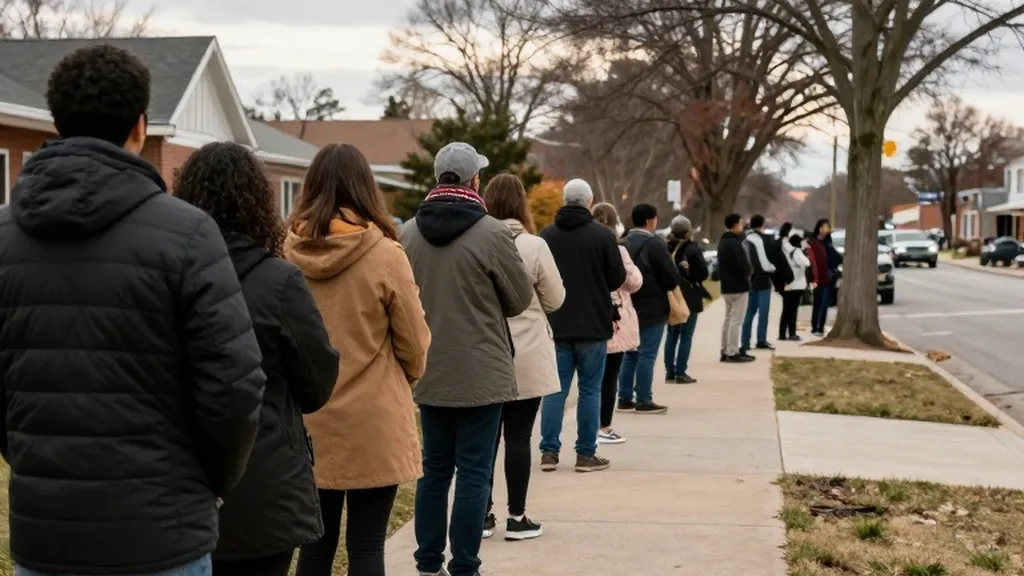
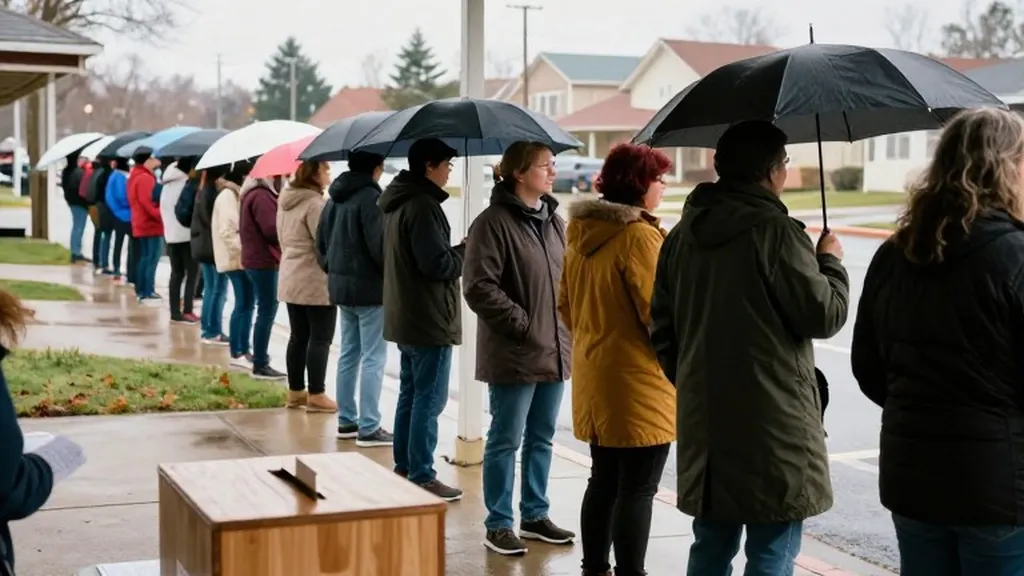
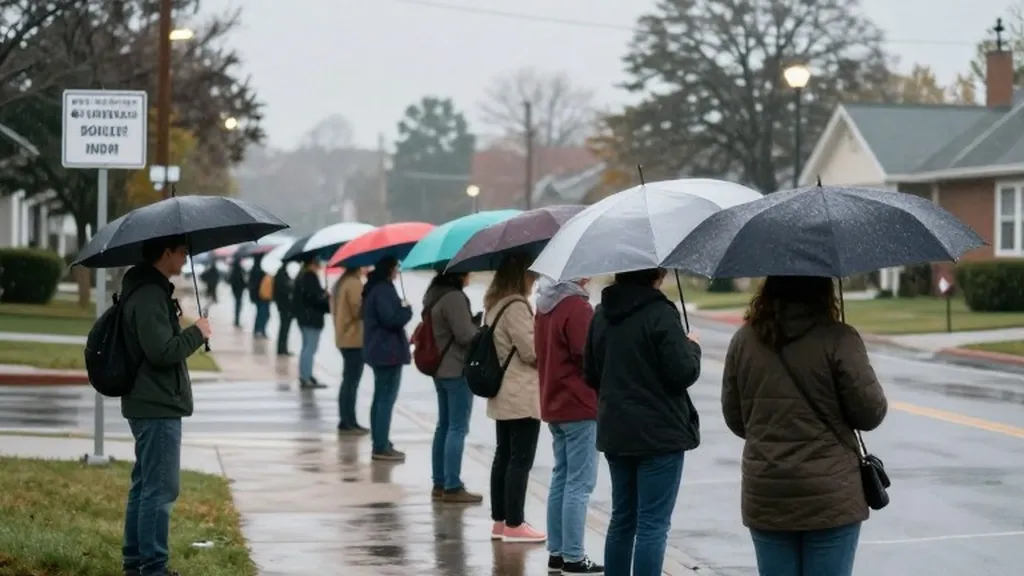
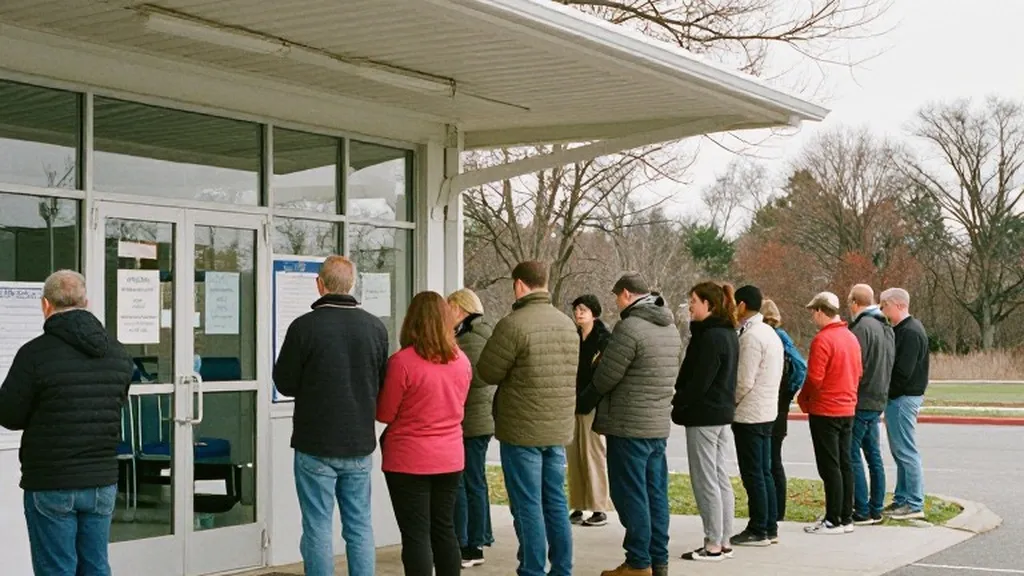
On this Election Day, Tuesday, November 3, 2026, voters are casting ballots in the midterm election that will determine the balance of power in Congress for the final two years of President Donald Trump's second term. The Associated Press describes the contest as a referendum on the administration's performance, noting that many voters are struggling with high prices and are angry over an unpopular war with Iran. This conflict has emerged as a significant issue for the electorate, particularly for Democrats who are looking to capitalize on public frustration to gain legislative control.
The war with Iran has moved from the background to the foreground of the campaign narrative. According to AP-NORC polling, only 35 percent of U.S. adults approve of Trump's job performance, and just 25 percent approve of his handling of the economy. About seven in ten Americans say the country is heading in the wrong direction, with most blaming the president for high prices. In this context, the ongoing military engagement with Iran is being viewed through the lens of its economic and political impact on the average household.
Democratic figures have positioned themselves to address these concerns. House Democratic Leader Hakeem Jeffries, who would become the first Black speaker if his party takes the House, has outlined a 100-day agenda focused on the cost of living and oversight of the administration. This agenda directly responds to the voter sentiment that the war and associated spending are contributing to financial strain. If Democrats win even one chamber of Congress, investigations and possible impeachment proceedings become likely, adding another layer of consequence to the election's outcome.
The path to a majority in the House requires a net gain of three districts for Democrats, who currently hold 214 seats to the Republicans' 218. Ballotpedia identifies 46 battleground districts, with 25 held by Democrats and 21 by Republicans. In the Senate, Democrats need a net gain of four seats to secure a majority, a challenging task given that Republicans hold 53 seats and can afford to lose only two. The race for Senate control is particularly tight in states like Maine, which is rated as a toss-up by all four major race rating groups, and Georgia, which is leaning Democratic.
Money and redistricting present significant obstacles for the Democratic campaign. The 2026 elections are likely to be the most expensive in history, with Republican committees outraising and outspending their Democratic counterparts. This advantage is bolstered by Trump-affiliated groups and support from Elon Musk. An AP analysis of AdImpact data shows that 88.1 percent of Republican general election TV ad spending went to states and districts that Trump won in 2024. Additionally, six states are using new congressional maps following mid-decade redistricting, a strategy Republicans used to try and beat the typical midterm pattern of losing seats.
Despite the financial disparity, Democrats are described by the AP as cautiously optimistic. They point to the high volume of early voting, with more than 57 million people having already cast ballots as of Monday. This number surpasses the early vote from four years ago in many closely watched states. Democratic Committee Chair Rep. Suzan DelBene stated that the American people are angry and want change, reflecting the mood of a electorate that feels the weight of the administration's decisions, including the war with Iran.
In key Senate races, the issue of economic strain and tariffs has made states like Maine competitive. Senator Susan Collins faces a challenge from Democratic former state Senate President Troy Jackson. In North Carolina, former Governor Roy Cooper is running against Michael Whatley in a race where the retirement of Thom Tillis has opened the seat. In Ohio, former Senator Sherrod Brown is battling incumbent Jon Husted. These races are not just about local issues but also about national sentiment regarding the administration's foreign policy and its domestic economic consequences.
The administration has faced criticism over election administration, with the Justice Department threatening to prosecute local election officials. A federal judge temporarily barred the Trump administration from carrying out a plan to prevent noncitizen voting, a move critics say risks disenfranchising eligible voters. Trump has continued to make claims about voting fraud, including that noncitizens vote in large numbers. His administration has filed lawsuits in Alaska and California, adding to the tension surrounding the integrity of the election process as polls close.
The outcome of this election will also have implications for future political leadership. A strong Democratic night would boost potential 2028 candidates such as Gavin Newsom, JB Pritzker, and Pete Buttigieg, while potentially complicating the path for Vice President JD Vance. Conversely, a Republican hold would provide a check on the opposition and allow the administration to continue its policies, including its approach to the war with Iran, with more legislative support. The stakes are high as voters weigh the costs of the conflict against the promise of change.
As polls close across the country, the focus remains on the practical implications of the vote. Wall Street is watching the results closely, with Reuters noting that the outcome could add to investor concerns about AI spending and debt ceiling negotiations. The U.S. Postal Service has added hours and staff to ensure mail ballots are counted on time, reflecting the importance of every vote in this closely contested race. The election is ultimately about deciding who will oversee the administration's final two years and how the nation will navigate the economic and political fallout of the war with Iran.