Trump's Midterm Influence: Rallies, Fraud Claims, and Candidate Distance
The President campaigned heavily while candidates kept distance, as voters faced high prices and an unpopular war.
By Enzo Conti ·
President Donald Trump has positioned himself as a central figure in the 2026 midterm elections, holding dozens of rallies in the weeks leading up to Tuesday, November 3. His final event before the vote took place in Salina, Kansas, where he urged supporters to engage with the race despite his position out of office. The President told the crowd that he really wanted them to pretend he is on the ballot, a statement that highlighted the high visibility of his second term halfway through. This campaign strategy was designed to leverage his national profile to help Republican candidates in a year where his party faces significant structural hurdles.
According to the Associated Press, the election is widely viewed as a referendum on Trump’s performance. Polling data from AP NORC shows that 35 percent of U.S. adults approve of his job performance, while only 25 percent approve of his handling of the economy. About seven in ten adults say the country is heading in the wrong direction, and most blame the President for high prices. This economic anxiety is a driving force for many voters, who are also angry over an unpopular war with Iran. The combination of cost of living concerns and foreign policy dissatisfaction has created a challenging environment for the President’s party.
Despite the President’s active campaigning, many Republican candidates have kept their distance from him. This strategic separation is evident in several key races. In Texas, the Republican primary saw Trump back Attorney General Ken Paxton over incumbent Senator John Cornyn, a move that has left Cornyn’s side of the ticket in a difficult position. In Ohio, Republican Senator Jon Husted is running for a special seat, a race that has drawn attention due to the President’s broader involvement in the state. The distance between the President and some candidates reflects a party that is bracing to lose the House while fighting to hold the Senate.
The issue of voting fraud has also become a focal point of the President’s involvement. Trump has continued to make claims about voting fraud, including assertions that noncitizens vote in large numbers. His administration has taken legal action in states like Alaska and California, suing to prevent what it says is noncitizen voting. Critics argue that these moves risk disenfranchising eligible voters and infringe on states’ authority over elections. A federal judge temporarily barred the administration from carrying out a plan to prevent noncitizen voting, and another judge ordered the administration to stop demanding that California officials segregate ballots cast by people on its lists of suspected noncitizens.
The financial landscape of the election also reflects the President’s influence. The 2026 elections are likely to be the most expensive in history, with Republican committees outraising and outspending their Democratic counterparts. This advantage is largely driven by Trump affiliated groups and support from Elon Musk. AP analysis of AdImpact data shows that 88.1 percent of Republican general election TV ad spending went to states and districts that Trump won in 2024. More than 850 million dollars was spent in areas where he won by 10 points or more, a strategy aimed at consolidating support in his strongest territories. However, at the candidate level, Democrats were actually outraising their opponents, suggesting a different dynamic in individual race funding.
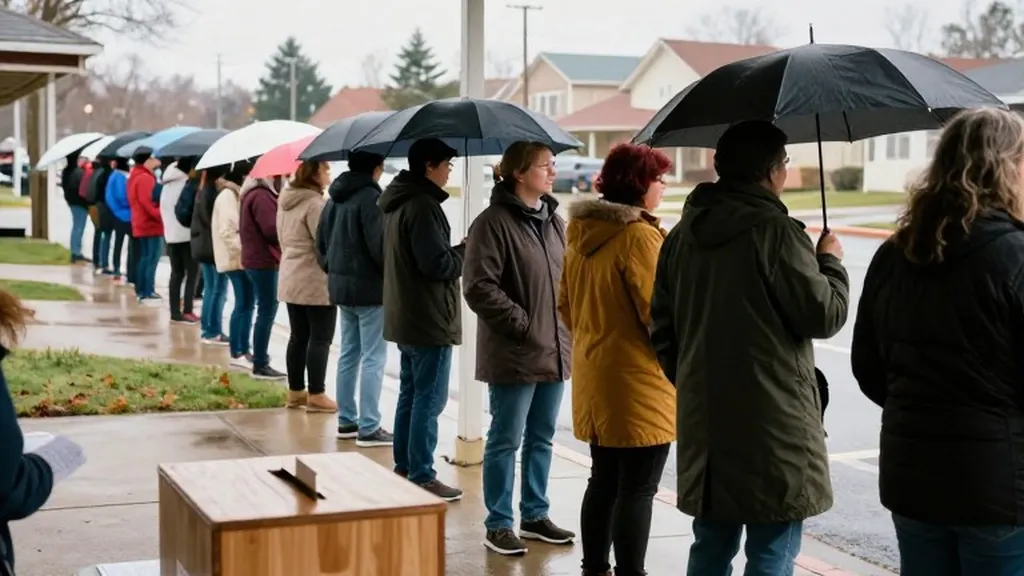
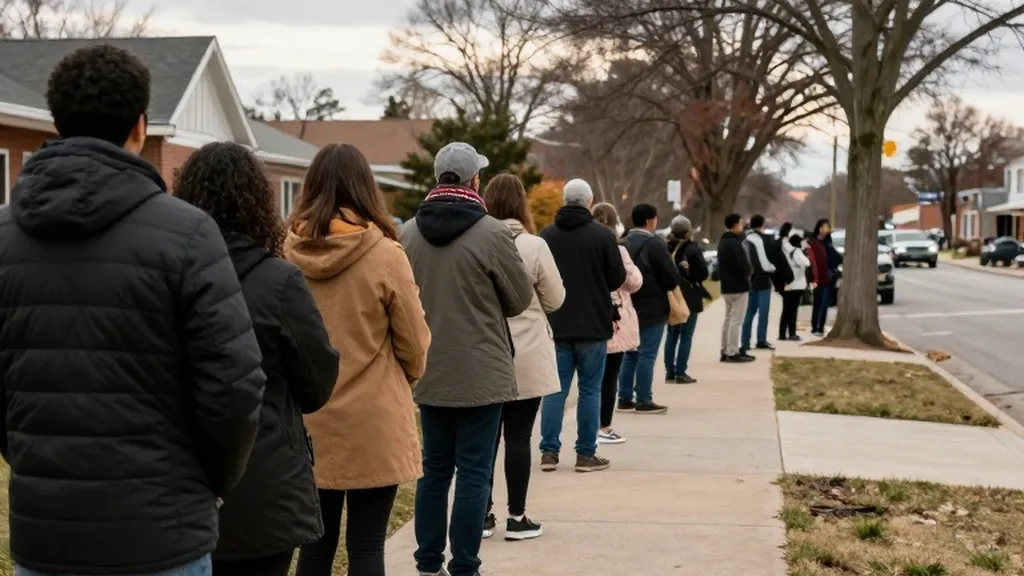
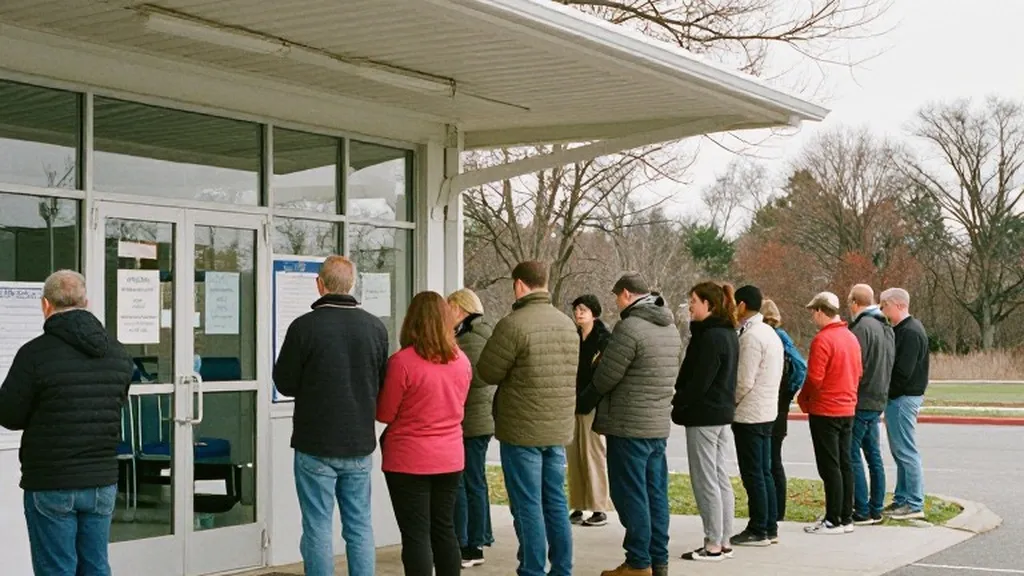
Voters are turning out in high numbers, with more than 57 million people having already voted as of Monday. This figure surpasses the early vote of four years ago in many closely watched states. The U.S. Postal Service has added hours, staff, and special lines to ensure that mail ballots are counted on time. In Palm Beach Gardens, Florida, voter Mark Barker said he has been following Trump the whole time and thinks he is doing an awesome job. In contrast, James Moore, a 57 year old librarian in Raleigh, North Carolina, cited higher taxes and healthcare costs as reasons for his vote. These individual experiences mirror the broader national mood of economic strain.
The stakes for the President’s party are high. Republicans need to hold the Senate, which requires losing no more than two seats, while Democrats need a net gain of four seats to take control. In the House, Democrats need a net gain of three districts for a majority. If Democrats win even one chamber, investigations and possible impeachment proceedings become likely. House Democratic Leader Hakeem Jeffries would be the first Black speaker if his party takes the House, and he has outlined a 100 day agenda focused on the cost of living and oversight. A strong Democratic night would also boost potential 2028 candidates like Gavin Newsom, JB Pritzker, and Pete Buttigieg.
The President’s role in this election is complex. He is a driving force for Republican turnout, as RNC Chairman Joe Gruters noted that everything depends on turnout. If Republicans turn out their voters, they win, and that is what they have been planning for. However, the President’s low approval numbers and the perception of an unpopular war present headwinds. DCCC Chair Rep. Suzan DelBene said the American people are angry and want change. The President’s continued claims about fraud and his legal battles with state election officials add to the tension. As polls open today, voters are deciding who will control Congress for the President’s final two years, with the outcome potentially shaping his legacy and the political landscape for 2028.