Cost of living drives 2026 midterms as polls open nationwide
AP-NORC data shows voters prioritizing prices over other issues, with high stakes in key states like North Carolina and Florida.
By Enzo Conti ·
Voters across the United States are casting their ballots on Tuesday, November 3, 2026, in a midterm election that will determine which party controls Congress for the final two years of President Donald Trump's second term. All 435 seats in the U.S. House and 35 seats in the U.S. Senate are on the ballot, alongside 36 governorships. The Associated Press describes the election as a referendum on the administration, with many citizens citing high prices and an unpopular war with Iran as primary concerns.
According to recent AP-NORC polling, only 35 percent of U.S. adults approve of President Trump's job performance, while 25 percent approve of his handling of the economy. Approximately seven in ten adults say the country is heading in the wrong direction. The poll indicates that most voters who are unhappy with the direction of the country blame the president for high prices. This economic anxiety is palpable at polling places, where voters are weighing the impact of tariffs and inflation on their daily lives.
In Raleigh, North Carolina, James Moore, a 57-year-old librarian, summarized the sentiment of many Democratic-leaning voters. Moore stated that he is paying more taxes, more for healthcare, and more for everything. His experience reflects the broader national mood where the cost of living has become the dominant issue. The AP notes that Democrats are cautiously optimistic, hoping to use this economic dissatisfaction to gain control of at least one chamber of Congress, which would likely lead to increased investigations and oversight of the administration.
The race for the U.S. Senate is particularly tight in several key states. In North Carolina, Democratic former Governor Roy Cooper is challenging former Republican National Committee chair Michael Whatley for the seat left vacant by retiring Senator Thom Tillis. The AP notes that economic strain and tariffs have made states like Maine competitive, where Senator Susan Collins faces a serious challenge from Democrat Troy Jackson. In Georgia, Senator Jon Ossoff is running for re-election against Republican Representative Mike Collins, a race that analysts view as a crucial battleground for Senate control.
Democrats need a net gain of four Senate seats to achieve a majority, while Republicans can afford to lose only two. The Senate currently has 53 Republican seats and 45 Democratic seats, with two independents who caucus with Democrats. In the House, Democrats need a net gain of three seats to take control, as Republicans currently hold a slim majority. Ballotpedia counts 46 battleground districts in the House, highlighting the close nature of the race in both chambers. The outcome of these races will shape the legislative agenda for the rest of the term.
The financial aspect of the election has been significant, with the 2026 elections likely becoming the most expensive in history. Republican committees have outraised and outspent Democratic committees, aided by Trump-affiliated groups and Elon Musk. However, at the candidate level, Democrats have outraised their opponents. Analysis of AdImpact data shows that 88.1 percent of Republican general election TV ad spending went to states and districts that Trump won in 2024. This heavy spending in safe Republican areas contrasts with the strategic targeting of competitive districts by both parties.
In Palm Beach Gardens, Florida, voter Mark Barker expressed a different perspective, saying he has been following Trump the whole time and believes he is doing an awesome job. This divergence in opinion underscores the polarized nature of the electorate. Republicans were bracing to lose the House but are fighting to hold the Senate, with the AP noting that one or two seats could tip either chamber. The party's strategy has involved rallying supporters, with President Trump holding dozens of rallies, ending his schedule on Sunday in Salina, Kansas, where he urged voters to pretend he was on the ballot.
Election administration has also been a point of contention. A federal judge temporarily barred the Trump administration from carrying out a plan intended to prevent noncitizen voting, which critics say risks disenfranchising eligible voters. The administration has also sued in Alaska and California, and Democrats have expressed concerns about potential interference and intimidation as the Justice Department threatens to prosecute local election officials. These legal battles add a layer of complexity to an already high-stakes election, with voters in states like Maine and New Hampshire watching closely for any signs of administrative interference.
The U.S. Postal Service has added hours, staff, and special lines to ensure that mail ballots are counted on time. This logistical effort is crucial in states like California, where a large portion of votes are cast by mail. Wall Street is also watching the election results, with Reuters noting that the outcome could add to investor concerns about AI spending and debt ceiling negotiations. The economic implications of the election extend beyond the immediate political shift, potentially influencing market stability and policy direction in the coming years.
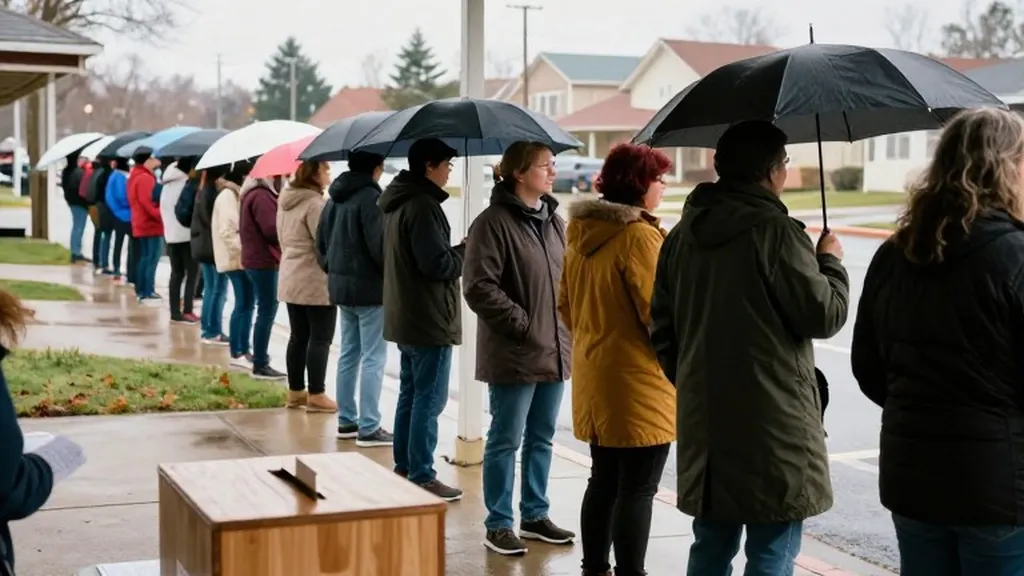
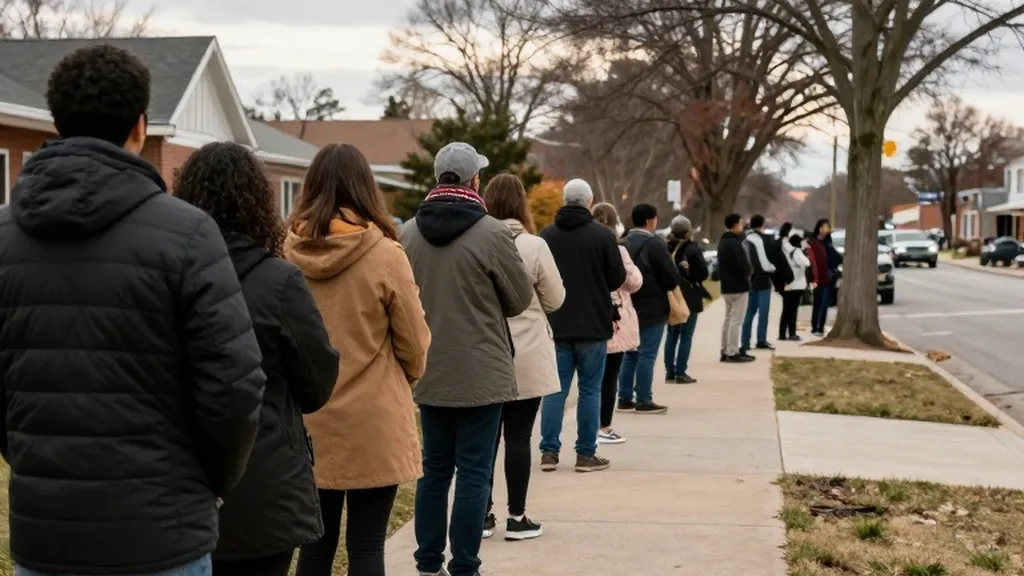
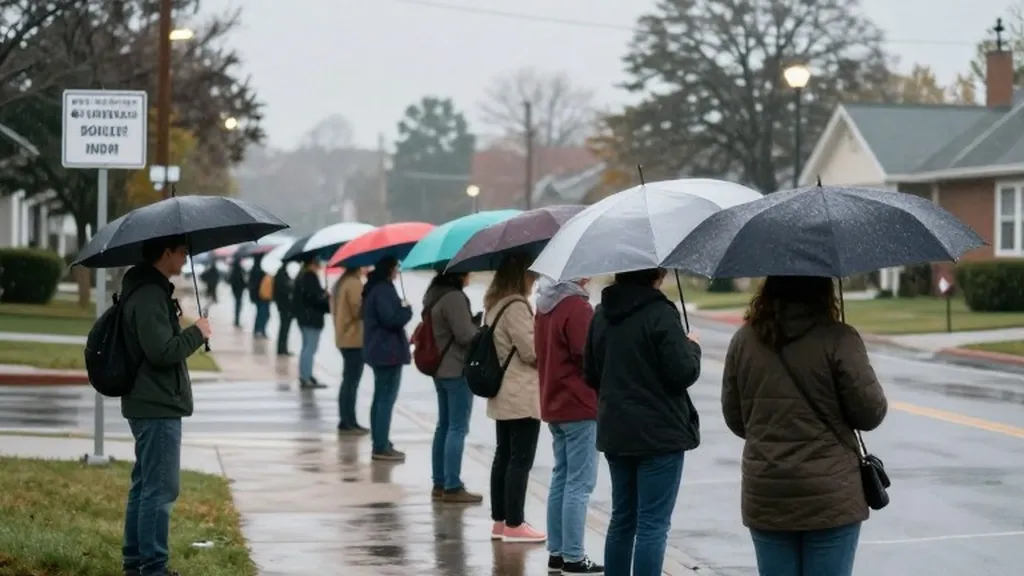
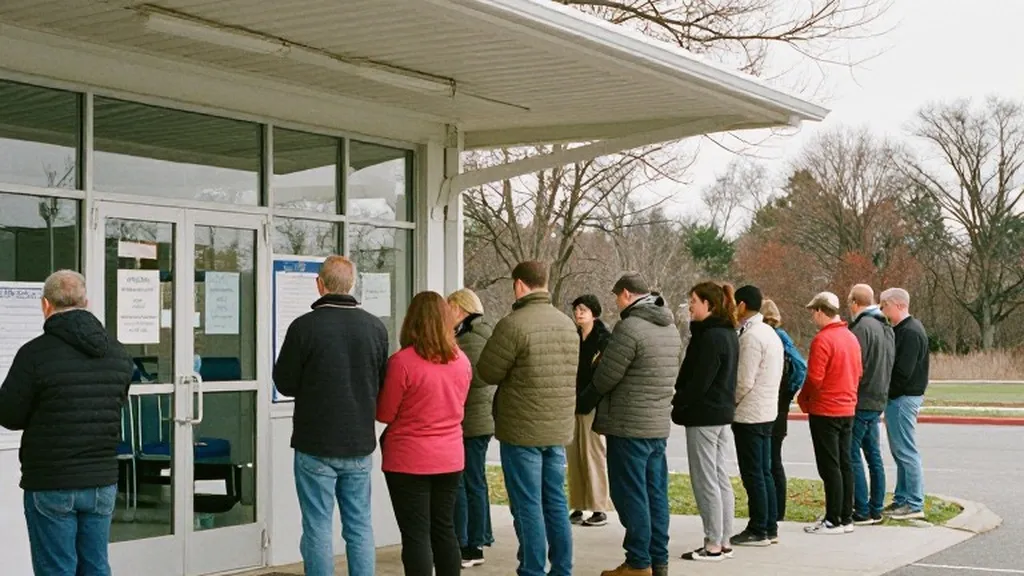
As polls open, voters are heading to their local polling places, with hours varying by state. In North Carolina, polls open at 6:30 a.m. and close at 7:30 p.m., while in Florida, they open at 7 a.m. and close at 7 p.m. Anyone in line when polls close is entitled to vote, and ID rules vary by state. The election is not just about who wins seats but also about the direction of the country in terms of economic policy and oversight. The results will provide a clear mandate on the issues that voters care about most, with the cost of living remaining the central theme of the campaign.