Breaking: Election Day is here! Make your selections to shape the next two years of oversight
Voters across the nation decide control of Congress in a midterm election defined by high prices, health care costs, and an unpopular war in Iran, as Democrats seek a net gain to restore balance to the government.
By Enzo Conti ·
It is Tuesday, November 3, 2026, and the midterm election is officially underway. According to Ballotpedia and USA.gov, this election occurs halfway through President Donald Trump's second term. The results will determine which party controls Congress for the final two years of his presidency. All 435 seats in the U.S. House of Representatives are up for grabs, along with 35 of the 100 seats in the U.S. Senate. Additionally, 36 governorships are on the ballot across the country.
Democrats are facing a specific mathematical challenge today. To secure a majority in the House, they need a net gain of three districts. Republicans currently hold 218 seats, while Democrats hold 214, with one independent and vacancies. In the Senate, Democrats need a net gain of four seats to reach a majority. Republicans can afford to lose only two seats. For the governorships, Democrats would need a net gain of two offices to claim a nationwide majority, a position Republicans have held since 2010.
The Associated Press describes this election as a referendum on the current administration. Voters are reported to be struggling with high prices and anger over an unpopular war with Iran. Recent polling from AP-NORC indicates that 35% of U.S. adults approve of the president's job performance. Only 25% approve of his handling of the economy. About seven in ten Americans say the country is heading in the wrong direction, and most blame the president for high prices.
James Moore, a 57-year-old librarian in Raleigh, North Carolina, captured the sentiment of many voters facing rising costs. He stated, I'm paying more taxes. I'm paying more for my healthcare. I'm paying more for everything. This focus on the cost of living is central to the Democratic agenda. House Democratic Leader Hakeem Jeffries has outlined a 100-day plan focused on the cost of living and oversight of the administration. If Democrats win control of either chamber, investigations and possible impeachment proceedings become likely.
Rep. Suzan DelBene, chair of the Democratic Congressional Campaign Committee, emphasized the mood on the ground. She said, The American people are angry. They want change. This sentiment contrasts with the Republican strategy, which has relied heavily on fundraising. The 2026 elections are likely to be the most expensive in history. Republican committees outraised and outspent Democratic committees, aided by Trump-affiliated groups and Elon Musk. However, at the candidate level, Democrats outraised their opponents.
Redistricting has played a significant role in shaping the landscape. Six states, including California, Florida, Missouri, North Carolina, Tennessee, and Texas, are using new congressional maps. Ohio is also using a new map. Republicans attempted to use these new lines to beat the typical midterm pattern where a president's party loses seats. However, analysts note that new districts in Florida and elsewhere may not vote exactly as drawn.
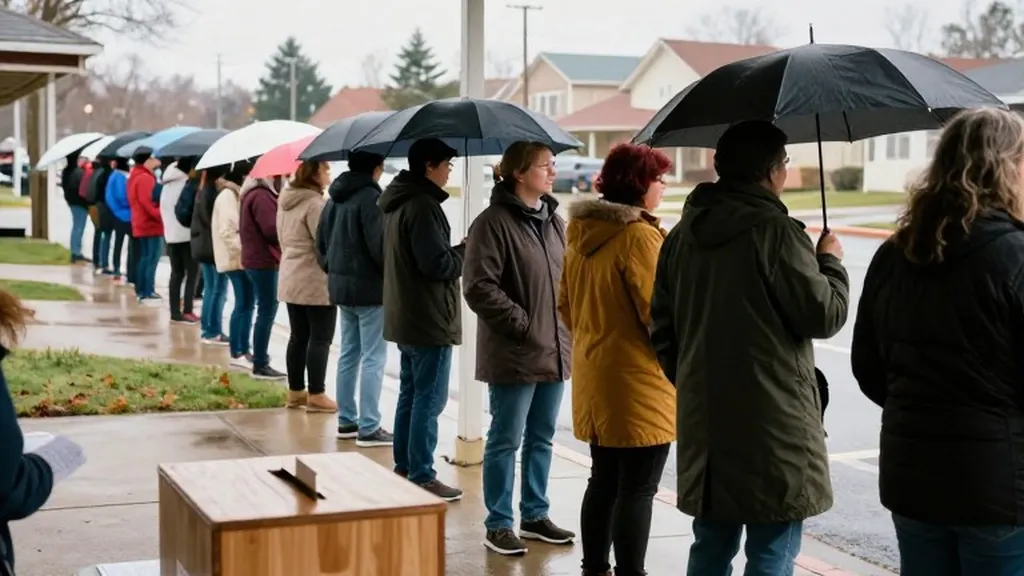
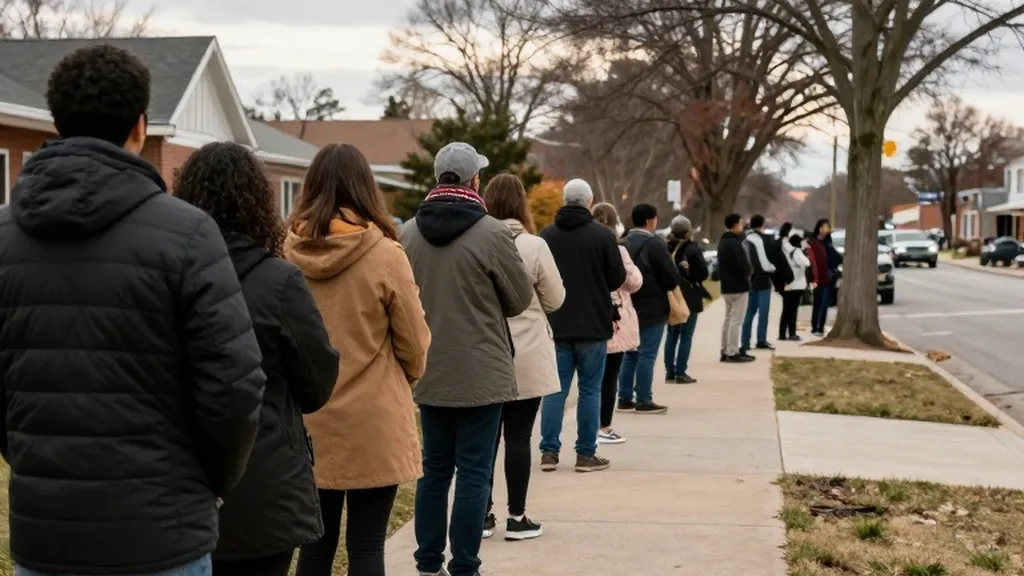
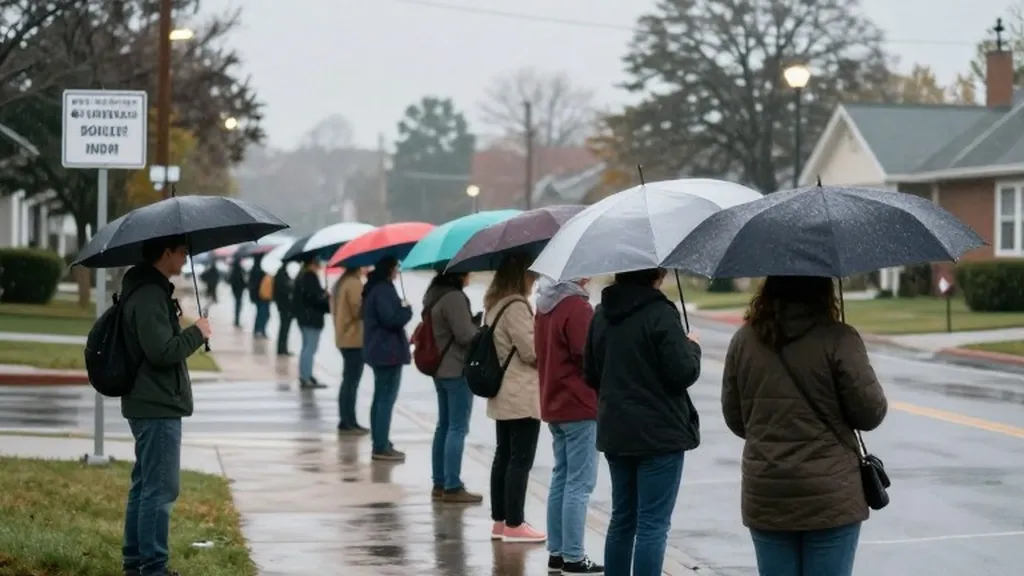
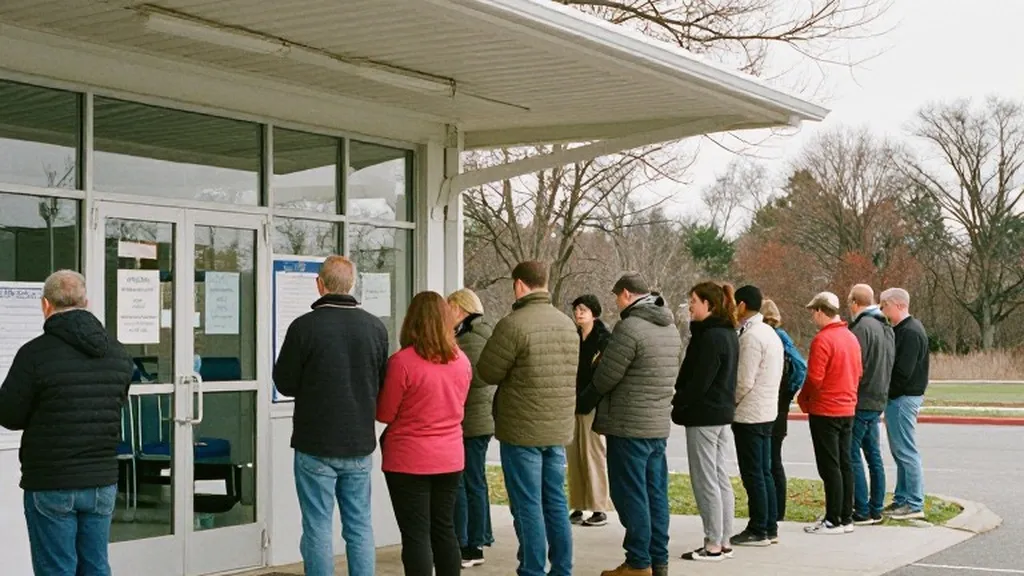
Voters are heading to the polls in large numbers. More than 57 million people had already voted as of Monday, surpassing the early vote of four years ago in many closely watched states. To find your polling place, visit vote.gov or your state election office. Poll hours vary by location, so check your specific state's schedule. For example, polls in Florida are open from 7 a.m. to 7 p.m., while in North Carolina, they are open from 6:30 a.m. to 7:30 p.m. In New York, polls are open from 6 a.m. to 9 p.m.
Anyone who is in line when polls close is entitled to cast a ballot. ID rules vary by state, so it is important to check your state's requirements before you go. The U.S. Postal Service has added hours, staff, and special lines to ensure mail ballots are counted on time. This is particularly important in states like California, Colorado, Hawaii, Nevada, Oregon, Utah, Vermont, and Washington, which rely heavily on mail-in voting.
A federal judge temporarily barred the Trump administration from carrying out a plan to prevent noncitizen voting. Critics argue this move risks disenfranchising eligible voters and infringes on states' authority. A judge also ordered the administration to stop demanding that California election officials segregate ballots cast by people on lists of suspected noncitizens. These legal moves have added a layer of complexity to the day's proceedings.
President Trump held dozens of rallies in the days leading up to the election. He ended his schedule Sunday in Salina, Kansas, where he told voters, I really want you to pretend I'm on the ballot. His schedule included stops in Mississippi, South Carolina, and Texas. Many Republican candidates kept their distance from the president during these events. Trump has continued to make claims about voting fraud, including that noncitizens vote in large numbers. His administration has sued in Alaska and California, leading to fears of interference.
In the Senate, thirteen races are considered battlegrounds. Key matchups include North Carolina, where former Governor Roy Cooper faces former RNC chair Michael Whatley. In Georgia, Senator Jon Ossoff is running against Representative Mike Collins. In Ohio, former Senator Sherrod Brown is challenging Senator Jon Husted. In Michigan, Abdul El-Sayed is running against former Representative Mike Rogers. The AP notes that economic strain and tariffs have made states like Maine competitive, where Senator Susan Collins faces Troy Jackson.
Governor races are also tight in several states. In Georgia, Republican health care executive Rick Jackson is running against former Atlanta Mayor Keisha Lance Bottoms. In Ohio, Vivek Ramaswamy is facing Amy Acton. In Nevada, Governor Joe Lombardo is running against Attorney General Aaron Ford. Democrats hope to hold a majority of governorships for the first time in two decades. Wall Street is watching these results closely, as Reuters notes that the outcome could add to investor concerns about AI spending and debt ceiling negotiations.
As you head to the polls today, remember that your vote decides the balance of power in Congress for the next two years. Whether you are voting in person or by mail, your participation matters. Stay in line if you arrive near closing time, as you are entitled to vote. The day is about deciding who will oversee the administration and address the cost of living for the nation.