Trump's $5,000 Dividend Promise Faces Legal and Budgetary Hurdles
Speaker Mike Johnson says congressional approval is required for the payout, while PolitiFact notes the funding remains highly uncertain despite the president's assurance.
By Ahmed Peterson ·
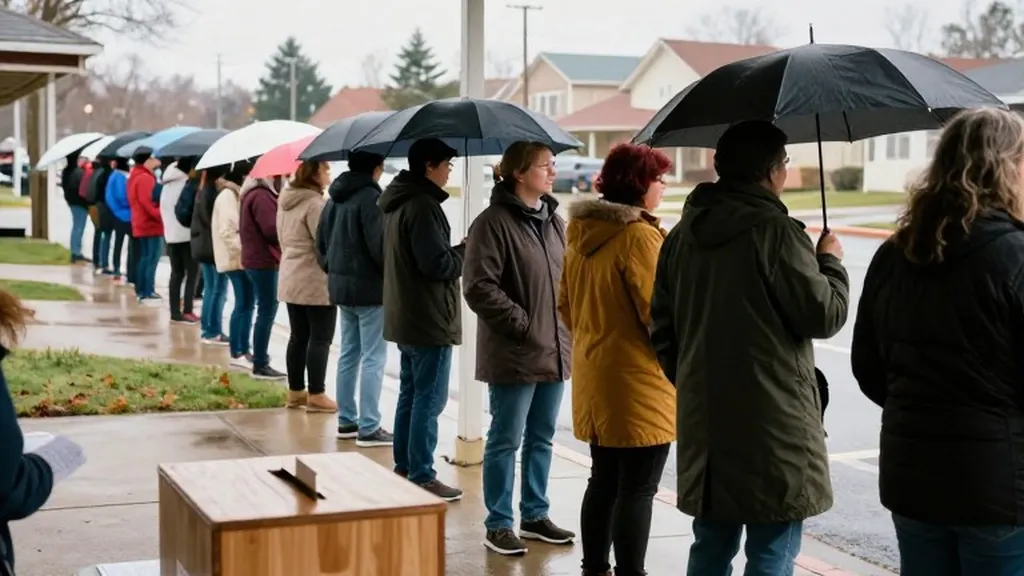
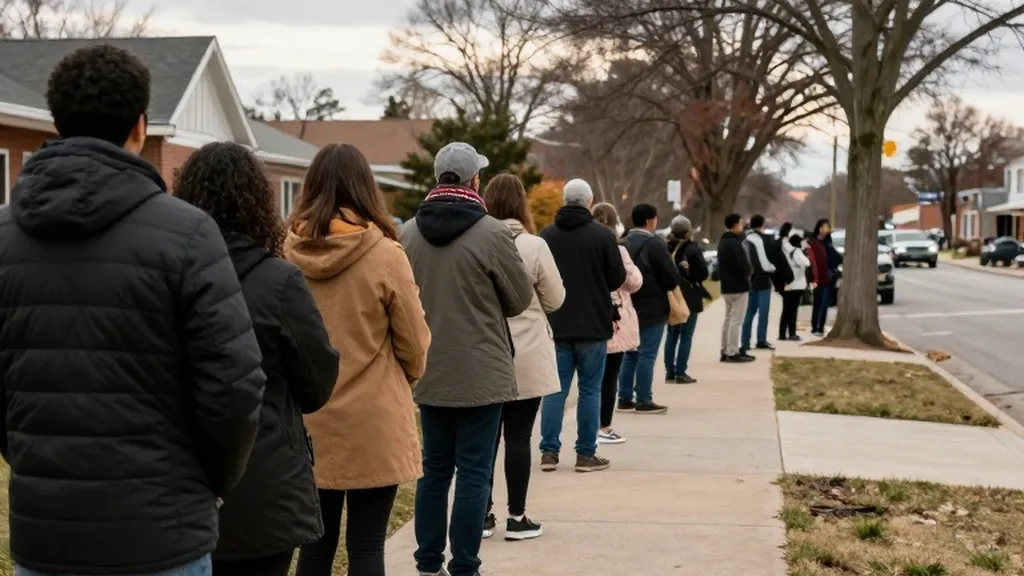
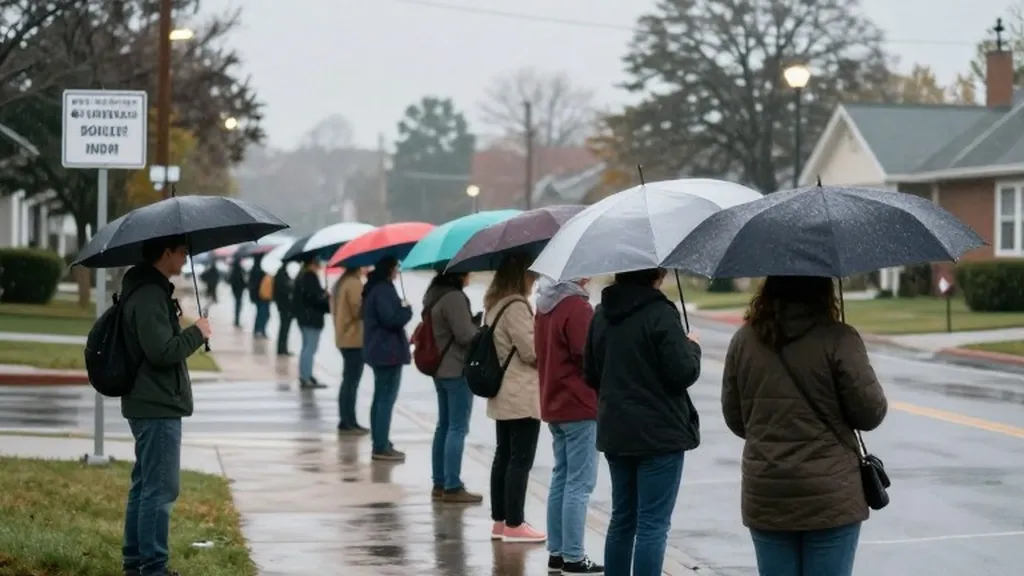
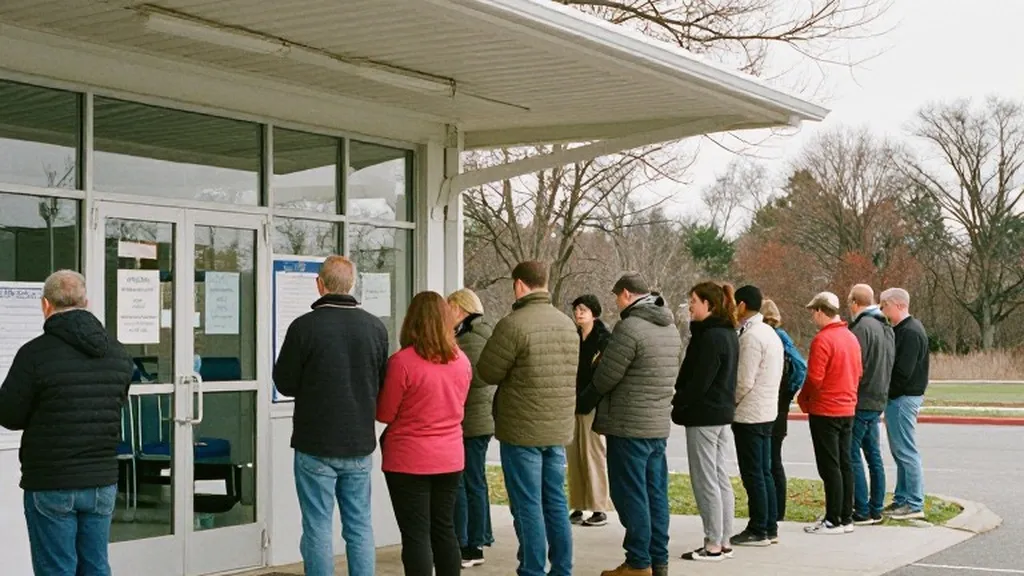
President Donald Trump has pledged to send a $5,000 check to every adult American citizen if Republicans maintain control of both the House and Senate in the November 3 midterm elections. The promise, branded as the Trump Dividend, was made during a speech at the Republican Midterm Convention in Dallas. The proposal is a significant departure from standard campaign rhetoric, as it ties a specific financial benefit directly to the election outcome for the president's party. With polls open and voters heading to the polls, the pledge has become a central talking point in the final days of the campaign. The White House argues that the strong economy makes the payout feasible, but many experts remain skeptical of the logistics and the cost.
House Speaker Mike Johnson addressed the legal requirements of the plan on Sunday. He stated that congressional approval is needed to enact the dividend. Johnson said, "I would assume, yes, he'd need Congress to act, and that's a creative idea." He pledged to work with the president to implement the proposal despite the small Republican majority in the House. This statement contrasts with Trump's earlier comments to CBS News Texas, where the president suggested that Congress might not need to authorize the payments. Johnson's clarification places the burden of passage on lawmakers, who must navigate a complex budgetary landscape to approve such a large expenditure.
PolitiFact analyzed the feasibility of the promise and found that the biggest payment is far from certain. The fact-checkers noted that the administration has announced no formal plan for how Americans would receive the checks. The primary obstacle is funding. While Trump cited tariff revenues as a potential source, the Tax Foundation estimates that the new tariffs will not generate enough revenue to cover the cost. The organization calculated that the $5,000 checks would spend almost all the revenue projected from the new tariffs over a decade. This discrepancy between the promise and the projected revenue has led to widespread skepticism among fiscal experts.
The cost of the dividend is estimated to be more than $1 trillion. According to the U.S. Census Bureau, there are about 245 million U.S. citizen adults. Multiplying that number by $5,000 results in a total cost of approximately $1.2 trillion. This expenditure would add to the country's nearly $1.8 trillion annual budget deficit. Kenneth Rogoff, a former chief economist at the IMF, warned that the payment would blow up the deficit and increase the odds of a debt crisis in the coming years. For voters concerned about the cost of living, this potential increase in national debt is a significant factor in their decision at the ballot box.
Bipartisan criticism of the plan has emerged in the days following the announcement. Some Republicans questioned the price tag, with Texas Representative Chip Roy writing that dependency is evil and soul-sucking in all its forms. Democrats have pointed to the timing of the promise, noting that it was made just weeks before the election. The opposition argues that the dividend is an attempt to buy votes by offering a direct financial incentive to voters who support the president's party. Despite the criticism, election law experts suggest the promise is likely legal. Rick Hasen, a professor at UCLA School of Law, noted that such promises are protected by the First Amendment as part of campaign rhetoric.
Vice President JD Vance offered his own perspective on the funding source during an interview with Fox News. He stated that some of the money would come from tariff revenue. Vance described the payment as a benefit for the American middle class and workers. However, the White House has not provided a detailed breakdown of how the funds will be allocated or how the deficit will be managed. The lack of specific details has left many voters and analysts waiting for a formal legislative proposal. Senator Bernie Moreno of Ohio has said he will introduce a bill to fund the proposal immediately after the election, but political analysts doubt it will achieve the necessary supermajority in the Senate.
The promise of the Trump Dividend comes at a time when voters are struggling with high prices. According to AP-NORC polling, about 7 in 10 Americans say the country is heading in the wrong direction. Most respondents blame the president for high prices. The dividend is intended to offset these economic pressures, but the timing and cost have raised questions about its long-term impact on the budget. The administration argues that the strong economy and increased tariff revenue make the payout sustainable. Critics counter that the economy is confronted by persistent inflation and increasing interest rates, making a trillion-dollar expenditure risky for the government's financial stability.
Speaker Johnson emphasized the need for consensus in Congress to pass the bill. He said, "I commit that Congress will work through it and find consensus on that like they have to do everything else." This statement acknowledges the difficulty of passing such a large spending measure without broad support. The Republican majority is slim, and the Senate is closely divided, meaning that any disagreement within the party could derail the proposal. The need for congressional approval highlights the collaborative nature of the process, even though the initial promise came from the executive branch. Lawmakers will need to balance the desire to deliver on the promise with the need to manage the national debt.
The potential payout has also drawn comparisons to previous stimulus checks and dividend proposals. In 2020, the federal government sent stimulus checks to certain Americans to offset the economic impact of the pandemic. Trump had also proposed DOGE dividend checks and tariff rebates in the past, but neither materialized. This history of unfulfilled promises has led some observers to question the likelihood of the $5,000 check becoming a reality. The Tax Foundation's Erica York wrote that the plan is not going to happen given the current revenue projections. This skepticism is shared by many fiscal experts who monitor the government's spending and revenue streams.