Australian Economy: Oil Prices and Weak Growth Tighten Fiscal Options
A jump in global crude costs and downward revisions to growth forecasts force the government to choose between temporary fuel relief and deeper budget cuts.
By Enzo Conti ·
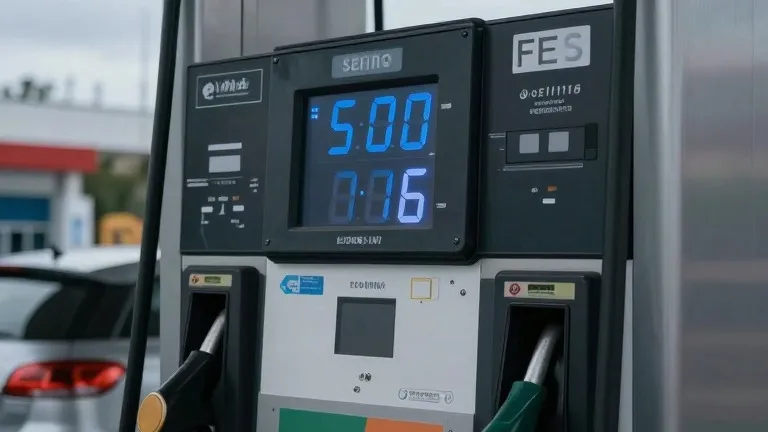
The cost of filling a standard 60-litre fuel tank in Australia has increased by $36 since February, driven by a surge in global oil prices that reached US$113 per barrel overnight. This price spike adds 60 cents to the cost per litre for motorists, a direct consequence of the widening conflict in the Middle East following US and Israeli attacks on Iran. For families filling their tanks weekly, the monthly burden has risen by $144 compared to levels earlier this year.
Treasurer Jim Chalmers acknowledged on Friday that Treasury officials are lowering economic forecasts ahead of the December mid-year budget update. These revisions signal slower growth and higher unemployment, shifting the tone from a previous suggestion that the economy would be a bit better in a year to a more cautious outlook. The downward adjustment reflects the immediate pressure that energy costs are placing on consumer spending and business investment.
Analysts warn that the current price of oil may not represent the peak of the financial stress. Westpac has outlined a scenario where crude prices could climb toward US$150 if the US and Israel resume attacks on Iran after the American midterm elections. This potential escalation aligns with warnings issued earlier this month by the International Monetary Fund. Such a jump would intensify inflationary pressures at a critical time, as the Reserve Bank of Australia considers a fifth interest rate increase on 3 November.
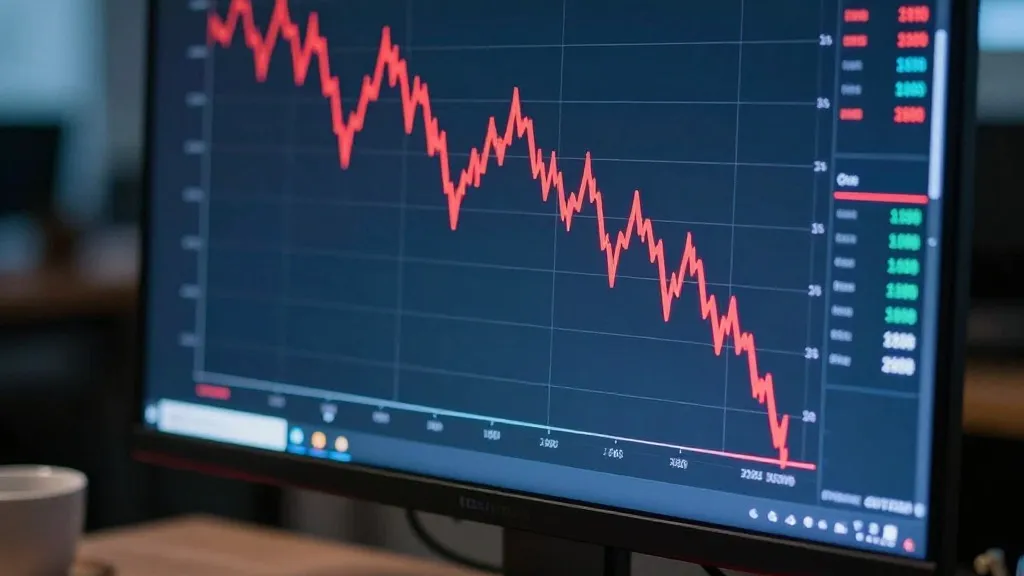
Global market instability is compounding domestic challenges. Investors have grown uneasy about the rising debt among companies building artificial intelligence infrastructure, triggering a steep sell-off on Wall Street overnight. This anxiety about a potential tech bubble adds to short-term economic stress. For Reserve Bank Governor Andrew Hauser, the combination of high inflation, low growth, and rising unemployment presents a central banking nightmare, limiting the effectiveness of monetary policy tools.
Chalmers described the government's position as being hostage to decisions made in Washington, Tehran, and Eastern Europe, which are driving global inflation. He noted that while some factors are beyond Canberra's control, the government must still manage the budget responsibly and provide cost-of-living support. The opposition frequently cites high government spending as a barrier to controlling inflation, while productivity growth remains stagnant, causing the economy to hit its speed limit sooner.
The government faces a difficult trade-off in its response. Cutting the fuel excise temporarily would lower petrol prices but reduce the Reserve Bank's ability to rein in inflation due to the lost revenue. Alternatively, announcing large spending cuts in the December budget would assist the central bank but could further weaken an already slowing economy and increase unemployment. Chalmers stated that the pressures on people are substantial, a sentiment that keeps him awake at night, as the administration seeks a balance between fiscal responsibility and voter relief.
This situation creates a cycle of hard choices where addressing one economic problem often worsens another. The government must navigate these constraints without the benefit of strong productivity growth or favorable global conditions. The decision on how to proceed will likely be detailed in the upcoming December budget update, setting the tone for the final quarter of the fiscal year.
Source: The Guardian
More Business · World news · Bad Service · Report a business · Got a Story?