FCC Blocks Two Gadgets Based on Internal Processor Architecture
Regulators have utilized a new chip-level framework to restrict specific hardware components from Chinese entities in the US market.
By Enzo Conti ·
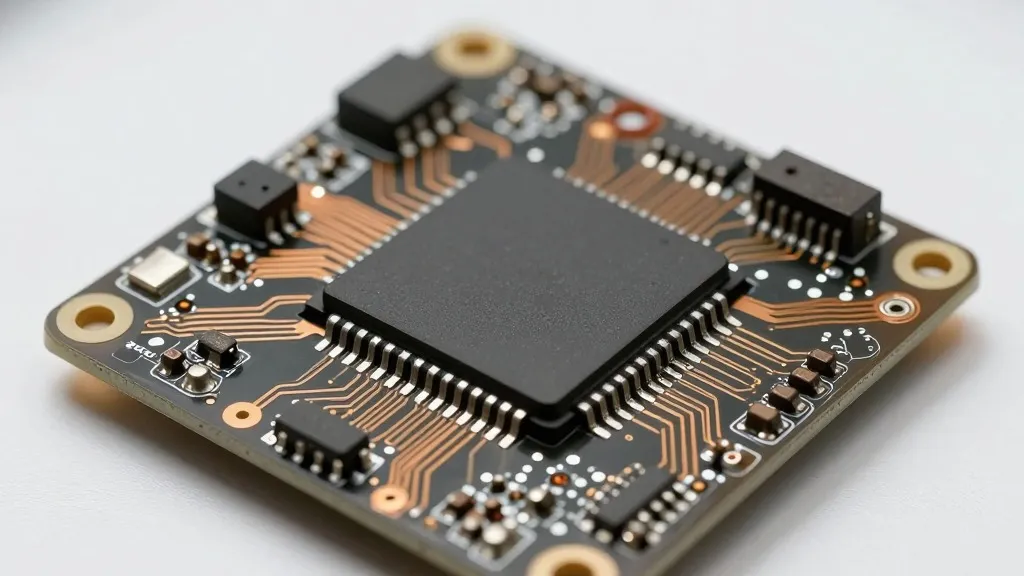
Two consumer electronics products have officially entered the ban list in the United States, marking the first application of a regulatory strategy that prioritizes internal silicon over external branding. The Federal Communications Commission has prohibited the sale and marketing of a dashboard camera and a wireless video transmitter. This action stems from a recently adopted rule that allows the agency to evaluate devices based on the specific chips they contain, rather than relying on the manufacturer's name or the product's model number.
The primary driver for these restrictions is the presence of a specific system on a chip known as the Hi3516CV610 UHD Smart Vision. This component is produced by HiSilicon, a subsidiary of Huawei, which appears on the FCC's Covered List of entities deemed to pose a national security risk. By targeting the silicon itself, regulators aim to close a significant loophole in current enforcement. Previously, rebranded items containing parts from listed Chinese manufacturers could continue to reach the market if the final product label did not clearly indicate the origin of the internal components.
The specific processor in question is engineered for surveillance and camera applications, including vehicle dashcams and wireless CCTV systems. It integrates WiFi, Ethernet, video encoding hardware, and an Arm Cortex-A7 processor. Crucially, it includes a neural processing unit, or NPU, which the FCC identifies as the source of concern. The agency classifies this as a device containing logic-bearing smart components made by entities on the covered list, triggering the new regulatory scrutiny.
According to the technical data sheet, the chip's Intelligent Video Engine runs on this NPU and utilizes a built-in dedicated multimodal large model with transformer feature acceleration. This configuration enables the AI to understand relationships between objects across consecutive video frames. It maintains attention on related subjects such as pets, faces, human figures, and parcels. For the average consumer, this functionality could distinguish between a pet escaping and an unknown person taking a courier-delivered parcel, offering a level of situational awareness that was previously difficult to achieve without cloud processing.
Despite the consumer benefits, the FCC believes the same logic-bearing AI could be leveraged for more intrusive purposes, such as surveying US citizens and logging faces for foreign surveillance. This concern is part of a broader pattern of regulatory action against Huawei, which has been tied to previous controversies. One notable instance involved the use of shell companies to deceive TSMC into manufacturing AI chips despite US requests to halt supplies to certain Chinese customers. That episode, among others, has contributed to the series of product bans now being enforced.
Public reaction to the move has been divided. Some observers have characterized the action as protectionism or questioned whether American surveillance practices differ significantly from those of foreign entities. Others raised questions about the scope of the FCC's authority, specifically whether it covers only wireless devices. In response to these queries, one commenter noted that the Communications Act of 1934 directs the FCC to protect both wired and wireless interstate and international communications. Another voice argued that basing bans on silicon was the logical approach from the start, given the numerous revisions and regional variants a single product can undergo.
The implementation of this chip-level rule signals a shift in how US regulators approach hardware safety and security. By looking inside the box, the FCC aims to reduce the administrative burden of tracking individual product labels. This method ensures that changes in branding or regional variants do not inadvertently allow restricted components to slip into the market. For working families and consumers, this means that the devices on their dashboards and shelves may be subject to stricter scrutiny based on their internal architecture rather than just their packaging.
Source: Tom's Hardware