Robot Ramp-Up: Tesla Builds 10,000-Unit 'Academy' to Train Optimus
Tesla is creating a dedicated facility where thousands of robots will practice tasks to generate the training data needed for commercial deployment.
By Ahmed Peterson ·
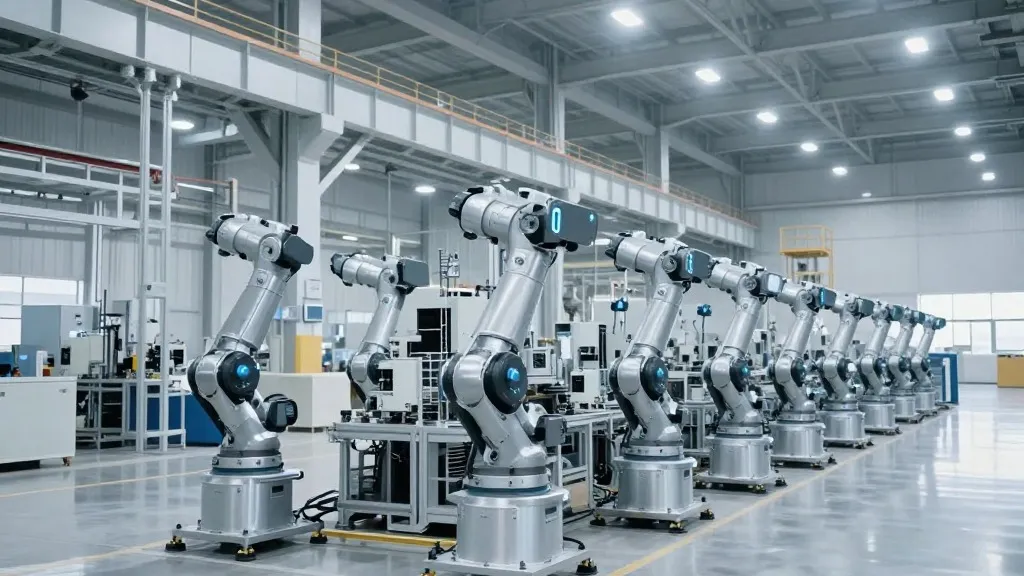
Ten thousand to twenty thousand robots. That is the scale of the workforce Tesla is assembling inside its Fremont factory, not to work for customers, but to learn how to work at all. This new internal group, dubbed the Optimus Academy, represents a fundamental shift in how the company approaches artificial intelligence for humanoid machines. Unlike its cars, which benefit from data sent back by millions of vehicles on the road, the robots have no such existing fleet. To bridge that gap, Tesla is using the robots themselves as the primary source of training data.
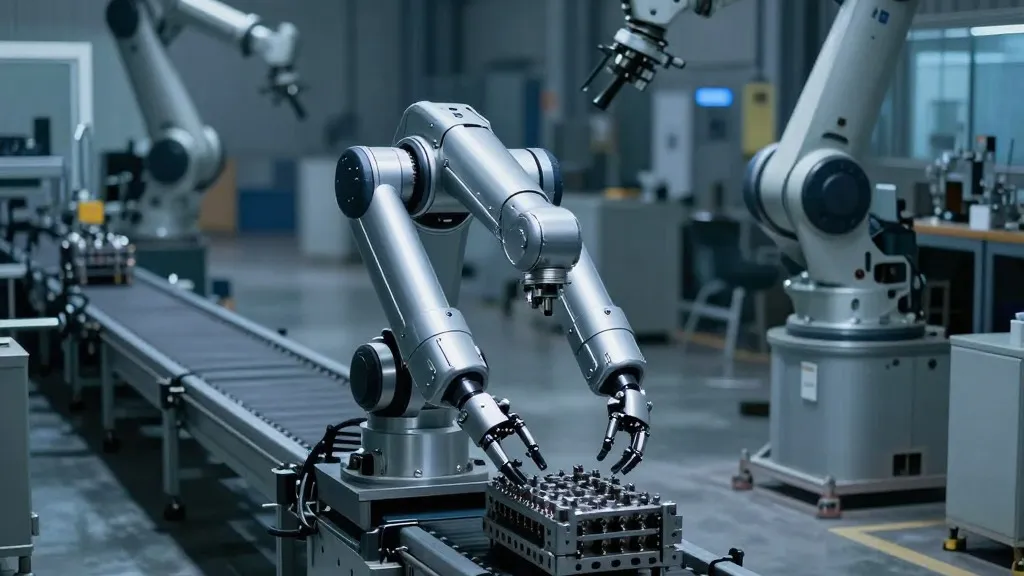
The physical infrastructure for this massive undertaking is already in place. The production line occupying this space previously built the Model S and Model X until this spring. Tesla cleared out the old vehicle assembly equipment in just 46 days to make room for a robot production line sized for one million units annually. In its third-quarter shareholder letter, the company confirmed that the bots coming off this line are the first to meet production-quality standards, marking a significant milestone in the manufacturing process for the Optimus platform.
On Wednesday’s earnings call, CEO Elon Musk outlined the production ramp, describing it as a classic S curve with a shallow initial slope. He noted that most of the equipment required for high-volume capacity is already situated in Fremont. As the line ramps up, output is expected to climb toward roughly 20,000 robots per week. This rapid scaling allows every single unit produced to contribute to the broader learning ecosystem, feeding real-world task performance data back into the next iteration of the robot’s AI.
The team is currently focused on refining the robot’s electromechanical design, reliability, and service life. Musk expects this phase of development to be complete by the end of next year. At that point, Tesla plans to begin delivering Optimus units to outside companies. The initial target for these commercial deployments includes dangerous, repetitive, and around-the-clock jobs where human labor might be less efficient or more risky.
Hardware upgrades are also on the horizon to support this learning process. Tesla intends to integrate its AI5 chip into the Optimus units next year. This technological leap is expected to enhance the robot’s ability to process and learn from its environment. Musk indicated that a new video demonstrating the robot completing tasks driven by AI, rather than preprogrammed motions, should be released within one or two months. He specifically contrasted this approach with rival humanoid demos that rely on scripted routines, arguing that those methods would not hold up in unstructured real-world environments.
The supply chain is aligning with this ambitious timeline. In September, Tesla certified three partners, Tuopu, Joyson, and Sanhua, for the mass production of Optimus components. This certification signals that the supply base is ready for the volume increases anticipated in the coming years. The focus on certified partners ensures that the necessary parts are available to keep the Fremont line and future facilities running at full capacity.
Beyond Fremont, a much larger manufacturing footprint is taking shape at Giga Texas. Recent drone footage from Joe Tegtmeyer showed the steel frame of the new Optimus factory nearing completion. Musk has pegged the long-term target for that specific plant at 10 million robots a year, suggesting that the company views the humanoid market as a massive, multi-decade opportunity rather than a niche product.
Executives also noted that Optimus production costs are trending toward the expected manufacturing cost of the Cybercab. This alignment suggests the robot is being engineered for volume from the start, prioritizing efficiency in design and assembly. Despite these progressions, the hands remain the toughest piece of the design. Musk reiterated this challenge at the X Takeover event earlier this month, noting that much of the current engineering effort is focused on solving the mechanical and software complexities of the robot’s manual dexterity.
Source: Teslarati · original report published