Warhound deploys Colossal Biosciences to clone gene-edited military dogs
Palmer Luckey’s new startup plans to use gene editing and cloning to create canines capable of detecting explosives and protecting troops.
By Yasmin Duda ·
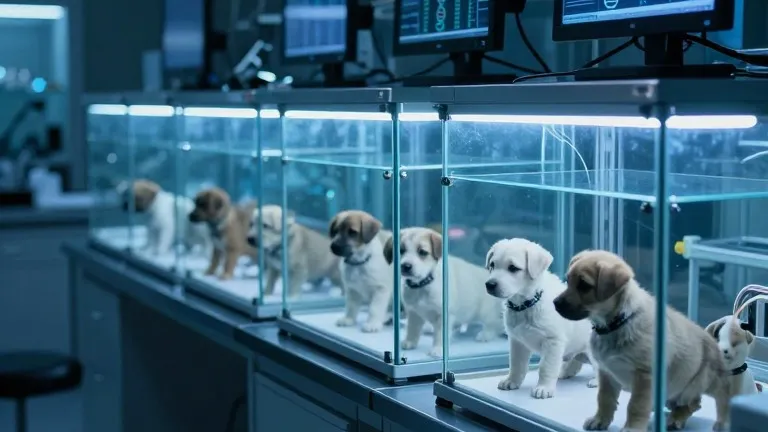
$200 million. That is the sum of funds Warhound, a new startup founded by Palmer Luckey, has reportedly secured from investors. The company aims to genetically enhance dogs for specific military roles, a plan detailed in reports released on 23 October 2026. Investors in the round include Sequoia Capital.
Warhound states that its engineered animals will serve two primary functions. First, they will detect explosives. Second, they will help protect troops in the field. To achieve these biological upgrades, the company is partnering with Colossal Biosciences. Colossal will handle the technical aspects of cloning and gene editing required to modify the canines' DNA.
The project relies on precise genetic manipulation rather than traditional breeding methods. The collaboration with Colossal suggests a focus on rapid development and specific trait insertion. The $200 million in capital will support the research and development phases of this bioengineering effort.
The company has not yet revealed the specific genes it intends to target or the timeline for deploying the first cohort of dogs. Details on the exact sensory enhancements remain private, though the ability to detect explosives implies improvements in olfactory sensitivity. The partnership with a firm known for de-extinction work signals a high-tech approach to the project.
Luckey, the founder of Oculus and the new venture, is leading the initiative. The funding from major venture capital firms indicates significant confidence in the commercial and strategic potential of the product. The use of cloning technology suggests the aim is to replicate successful genetic profiles across a larger population of service animals.
The startup's goal is to create a new class of military support animal. By combining gene editing with cloning, Warhound seeks to standardize and enhance the capabilities of dogs used in combat scenarios. The $200 million raise marks the beginning of a multi-year development process for these genetically modified canines.
Source: MIT Technology Review