Intel Obtains One-Year FCC Waiver for Unclassified Factory Vehicles
The chipmaker secured permission to operate specific automated guided vehicles in US plants after regulators left the status of its existing equipment ambiguous.
By Yasmin Duda ·
Intel has secured a one-year exemption from the Federal Communications Commission to continue operating specific foreign-made equipment in its United States semiconductor facilities. The agency granted the request on October 22, allowing the company to maintain its production lines without immediate disruption.
The waiver addresses a gap in the FCC's recent restrictions on certain mobile robots. Intel requested the exemption out of an abundance of caution because it was unclear whether its specific machinery fell under the ban. The company stated that its robotic vehicles might qualify as covered devices, prompting the formal request to protect its operations.
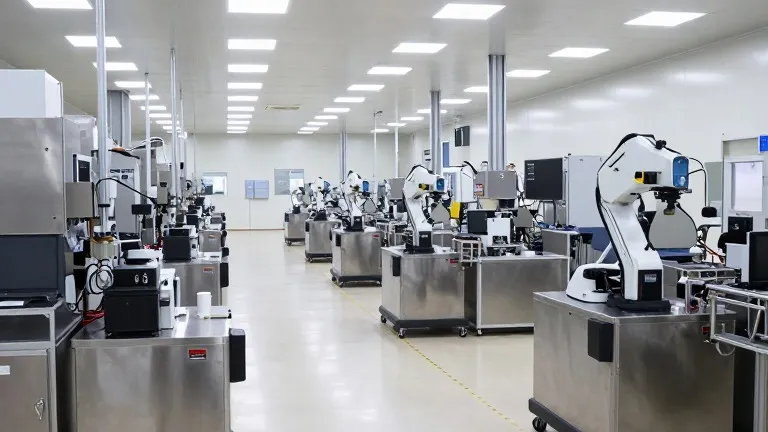
The equipment involved consists of automated guided vehicles. These machines travel along tracks or predefined paths and often require human oversight. Their primary function is to transport materials and items across warehouse floors and factory areas. Intel relies on these units to move components within its chip manufacturing plants.
While the FCC's ban targets new models of mobile robots, including humanoid units and consumer vacuums, previously authorized devices can still be imported. However, the rules appear to limit major modifications to these existing items. This technical distinction created uncertainty for manufacturers using older industrial equipment that might require updates.
The waiver covers not only operation but also maintenance. Intel received approval to make specific hardware, software, and firmware changes to the vehicles. These modifications are intended to ensure the machines remain functional and can be serviced during the one-year waiver period.
The specific models Intel uses are not fully detailed in the public record. They were listed in a confidential appendix to the waiver request. Industry reports suggest that similar vehicles are often built by Japanese firms such as Murata Machinery and Daifuku Co., though Intel has not confirmed the exact suppliers for its current fleet.
The decision allows Intel to continue its manufacturing processes while the regulatory landscape remains in flux. The company can keep its existing vehicles running without fear of violating the new restrictions. The waiver expires in one year, at which point the company will need to determine its next steps regarding the equipment.
Source: Ars Technica
More Business · Tech news · Bad Service · Report a business · Got a Story?