Judge halts Trump administration order to set aside 20,000 California ballots
A federal judge in Washington D.C. ruled Monday that the Justice Department cannot force state officials to separate ballots from suspected noncitizens ahead of Tuesday's midterm election.
By Ahmed Peterson ·
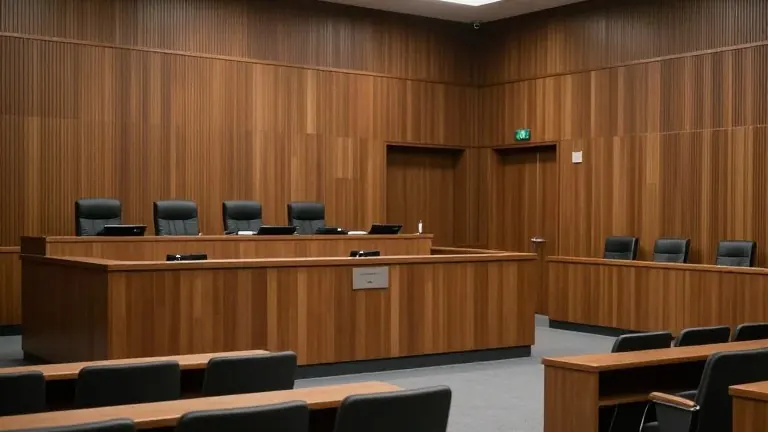
A federal judge in Washington D.C. issued an order on Monday requiring the Trump administration to cease demanding that California election officials isolate 20,000 ballots. The Department of Justice has identified these specific mail ballots as belonging to individuals it believes may not be U.S. citizens. Chief Judge James Boasberg, who issued the ruling from his office in Washington, determined that the executive branch's actions likely violate the constitutional framework governing elections.
The judge wrote that the Executive Branch has likely violated the Elections Clause. This clause assigns the authority to set election rules exclusively to state governments and Congress. The ruling comes just one day before voters across the state cast their ballots in the midterm elections. California officials have argued that the federal demand arrives too late in the voting process to be implemented without disrupting the count.
The Justice Department sought a limited injunction from the U.S. Supreme Court on the same day Boasberg issued his order. The federal government wants the high court to direct California to set the disputed ballots aside while the legal case proceeds. Solicitor General D. John Sauer argued in the appeal that once California mixes the challenged ballots with valid ones, there is no method to separate them again. The administration contends that the ballots should not be counted until voter citizenship status is verified.
California Attorney General Rob Bonta criticized the federal appeal. He stated that the request reeks of desperation and is another attempt to undermine the elections. State election officials maintain that the list of suspected noncitizens is highly unreliable. They argue that the list likely includes many individuals who are U.S. citizens and that finding and setting aside the specific ballots now would be logistically impossible.
Voting in California began in early October. The state mails a ballot to all of its roughly 23 million registered voters. Hundreds of thousands of these ballots have already been processed by local officials. A lower federal judge in California previously denied the Justice Department's request to separate the ballots. That judge warned that the demand could disenfranchise citizens and wreak havoc on the midterm election process.
U.S. District Judge David O. Carter, who was nominated by President Bill Clinton, wrote that the executive branch cannot discount votes based on unproven allegations. He noted that if the executive can threaten an ongoing election, the democracy is in danger. A divided appeals court panel in California later upheld Carter's order. Two judges on that panel voted in favor of the state, while one judge appointed by President Trump dissented. The dissenting judge argued that California's refusal to separate the ballots encourages the violation of federal law.
The Justice Department has previously asked an appeals court to intervene early in the case, but those requests were unsuccessful. The Trump administration has won a series of emergency appeals before the Supreme Court in its current term. However, the justices previously rejected a different push by the president to restrict mail ballots ahead of these midterms. The legal battle continues as state workers prepare to count the millions of ballots cast in the state's largest election in years.
Source: The San Diego Union-Tribune