NASA Overhauls Moon Landing Architecture
SpaceX and Blue Origin gain simplified launch paths as the agency drops complex orbital requirements for its 2028 lunar return.
By Enzo Conti ·
NASA has restructured its lunar lander procurement strategy, signaling a major shift in how it will integrate commercial hardware for its upcoming Artemis missions. During a detailed briefing on Friday, agency leaders outlined a revised architecture that simplifies the operational requirements for SpaceX and Blue Origin. This move aims to streamline the path for returning humans to the Moon by 2028, a timeline the administration remains confident is achievable with current resources and stakeholder support.
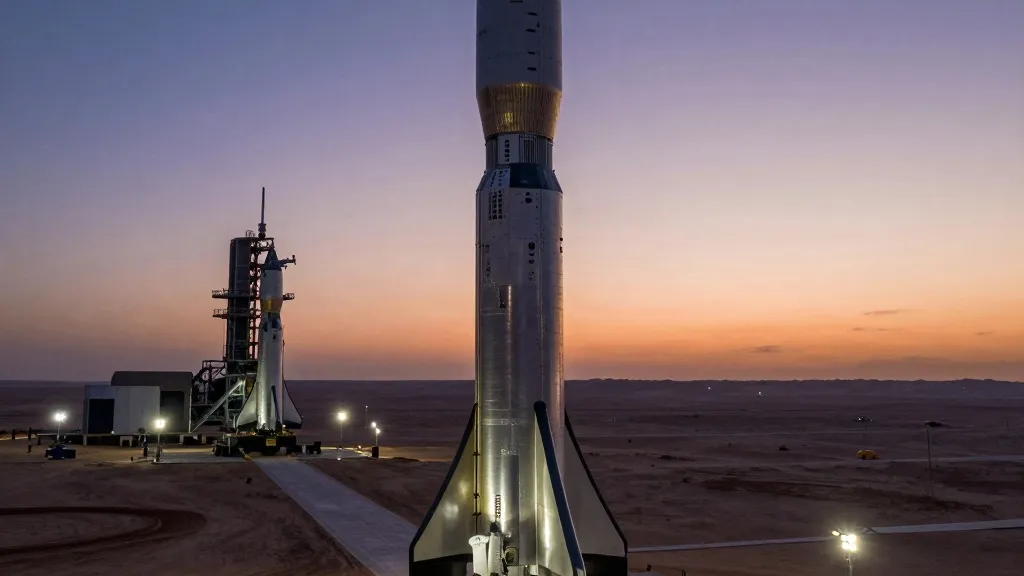
The most significant change involves the role of the Orion spacecraft in the SpaceX mission profile. Previously, the plan required Orion to dock with the Starship lunar lander in a specific high-energy orbit near the Moon. Under the new guidelines, Orion will instead dock with the Starship vehicle in high-Earth orbit. This adjustment allows the combined stack to transit to the lunar vicinity from a more stable starting point, reducing the complexity and energy demands of the early mission phases.
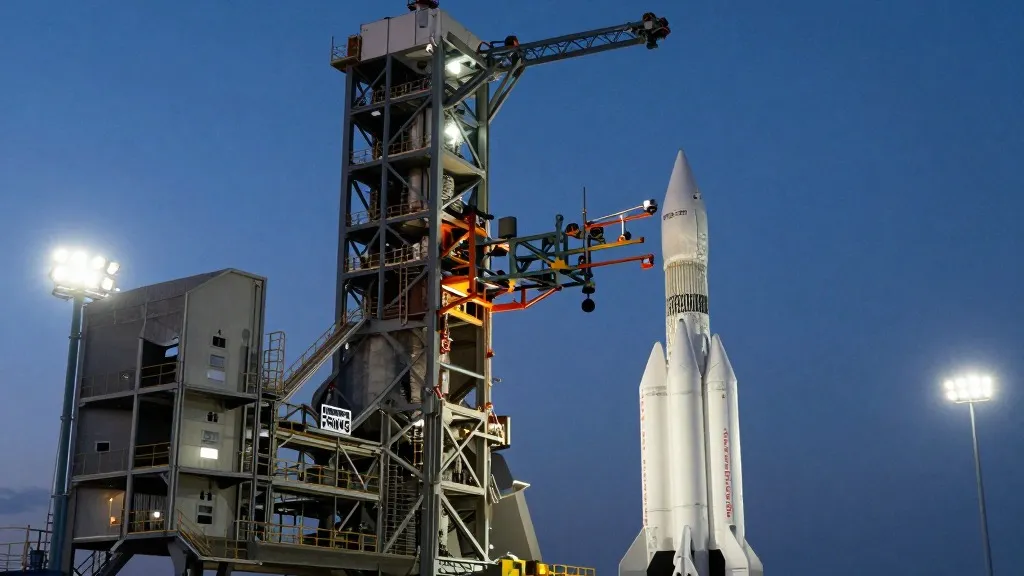
For Blue Origin, the updated architecture modifies the launch and refueling sequence. The new plan calls for four separate launches of the New Glenn rocket. A notable departure from earlier concepts is the removal of the requirement for in-space refueling between spacecraft. This simplification reduces the technical risk associated with complex orbital maneuvers, although the plan still allows for the possibility of the Blue Moon lander rendezvousing with Orion in low-Lunar orbit.
NASA Administrator Jared Isaacman emphasized the agency's commitment to the revised timeline. He stated that the current path is achievable, citing the mandate, resources, and stakeholder support necessary for execution. The agency continues to target a summer 2027 launch for the Artemis III mission, which will serve as a demonstration of docking capabilities with both the Blue Moon and Starship vehicles near Earth. Following this test, the Artemis IV mission, which involves the first crewed lunar landing, is still being tracked for a 2028 launch.
The restructuring addresses long-standing engineering challenges that had complicated the program. In early 2026, SpaceX engineers raised concerns about the energy requirements for docking in a near-rectilinear halo orbit. That specific orbital configuration presented significant difficulties for the Starship vehicle. The cancellation of the Lunar Gateway project earlier this year effectively resolved this issue, allowing NASA to pivot to the simpler high-Earth orbit docking protocol without losing critical mission capabilities.
This transparency marks a new phase in the Artemis Program. While many components of the plan had been reported previously, this was the first time NASA laid out the full architectural changes in a single, detailed public presentation. The agency acknowledged the substantial nature of these shifts, recognizing that the previous design placed a heavy burden on the commercial partners. By simplifying the requirements, NASA aims to accelerate development and ensure that the lander companies can execute their plans more efficiently.
The business implications of these changes are significant for the involved contractors. By removing the need for complex in-space refueling for Blue Origin and simplifying the docking orbit for SpaceX, the agency reduces the number of critical path dependencies. This could potentially lower development costs and mitigate schedule risks. However, the success of the 2028 target still hinges on the ability of these companies to meet their respective milestones within the compressed timeline.
NASA officials noted that the decision to adjust the architecture was based on a thorough review of every element of the program. The goal was to identify areas where changes could help the lunar lander companies accelerate their efforts. While the agency is confident in the new plan, the coming months will be critical as both SpaceX and Blue Origin finalize their engineering designs in response to the updated requirements. The focus now shifts to execution as the agency moves from planning to active implementation of this streamlined lunar return strategy.
Source: Ars Technica · original report published
More Business · Bad Service · Report a business · Got a Story?