Rats and squirrels strip Huntington Beach garden of 40-year-old freesia collection
A reader reports that urban wildlife has decimated her corms, with rats using fresh shoots to sharpen continuously growing teeth.
By Ahmed Peterson ·
Hundreds of freesia corms were consumed or destroyed by urban wildlife over the past two years in Huntington Beach, according to Dena, a local gardener. The loss affects a collection she established approximately 40 years ago, which included white, yellow, purple, red, and pink blooms.
Dena described the destruction as a "free-for-all" that began when animals discovered the corms in her front yard. She stated that squirrels decimated the plants during the day, while rats, opossums, raccoons, and skunks targeted them at night. Entire sections of the garden were stripped out, and smaller corms that survived being eaten were dug up and bitten in half.
After relocating the surviving corms to pots in her backyard to protect them, Dena observed a new pattern of damage. Last year, an animal cut down the shoots without consuming the corms below, leaving half-inch stumps in the soil. The plants spent weeks regenerating only to be cut again, a cycle that repeated for months until the mature corms exhausted their energy stores.
The culprit behind the shoot-cutting is the rat. Dena identified the behavior by comparing it to how rats chew on lemon peels, swallowing the zest while leaving the pulp intact. Rats' incisor teeth grow continuously throughout their lives. Without constant sharpening, these teeth can curve into the upper jaw or skull, or lodge in the roof of the mouth. Crisp new shoots provide the necessary resistance to file the teeth down.
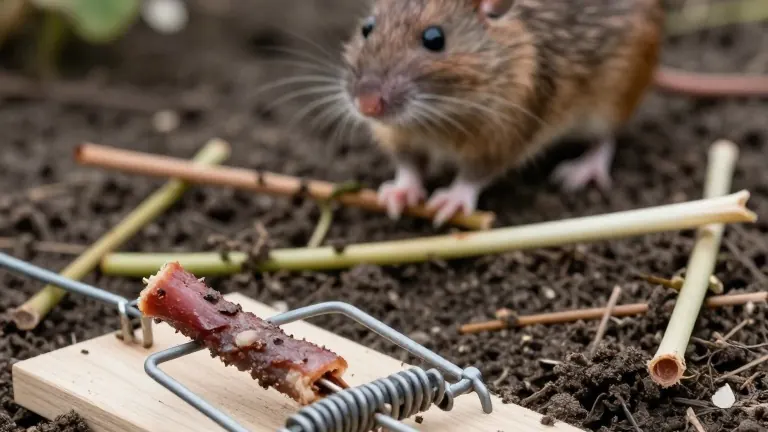
Dena offers a specific remedy for the rat problem based on her experience. She recommends using an ordinary rat trap with a half-inch to three-quarter-inch piece of Slim Jim meat stick. The wrapper should remain attached, and the chunk should be affixed to the trap's bait hook or trigger loop.
The proliferation of urban wildlife in Southern California is linked to droughts and fires. Animals that previously inhabited hills and canyons have moved into human surroundings as their habitats shrink. Dena noted that her freesia soil was of low quality, with no weeds growing in it, and she never fertilized or mulched the plants. Watering was minimal, especially since freesia corms go dormant in summer.
The freesias Dena grew cross-pollinate and self-sow, creating new color combinations over two years. She reported that yellow and purple are dominant colors in her hybrids, which include pale yellow, lavender, pale pink, and orange blooms. The plants grow from underground corms resembling small Hershey kisses, ranging from half an inch to one inch in size.
Squirrels are also becoming more common and fearless in residential areas. A squirrel named Seymour became a frequent visitor to a nearby front yard last summer. This eastern fox squirrel would approach people within a few feet and re-enter a living room when a door was left open. This species, which has reddish-brown fur and a bushy tail, was introduced to Los Angeles by Civil War veterans who brought them as pets.
These squirrels typically live four years in the wild but can reach 20 years in captivity. They are now the most common squirrel species in Los Angeles. Dena’s experience illustrates how common urban animals are impacting home gardens, with rats and squirrels actively foraging in yards where these plants are left unattended.
Source: Orange County Register