Portland schools launch Maine's first Black studies curriculum for 6th grade and up
The new six-year initiative focuses on local history, including the Freedom Trail and figures like Ona Judge, rather than relying solely on national narratives.
By Enzo Conti ·
Portland Public Schools has launched the state's first dedicated African American studies curriculum, a move that centers the specific history of Maine's largest city rather than broad national narratives. The program, developed over the last six years, is currently being implemented for students in sixth grade and higher.
The development of this coursework began after the Black Lives Matter movement in 2020. Fiona Hopper, the district's social studies special projects coordinator, noted that while classroom materials on national and international history were abundant, resources specific to Maine and New England were scarce. This gap prompted a multi-year effort to identify local figures and historical sites that define the region's Black history.
To build the curriculum, the district assembled a group of advisors including educators, historians, and longtime residents of Portland's Black community. They created tailored lessons for different grade levels. These lessons cover topics ranging from African civilizations to Abolition and Reconstruction. Specific historical figures discussed in the classes include Ona Judge, who escaped slavery at George Washington's Mount Vernon plantation, and the residents of Malaga Island, a multiracial community expelled from near Phippsburg.
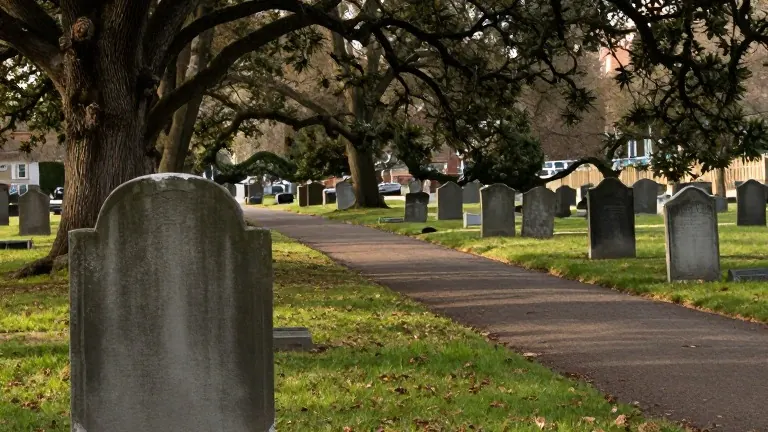
Students are engaging with this history through direct experience with the city's Freedom Trail. This trail marks sites associated with the Underground Railroad and other key moments in local Black history. In October, seventh graders visited the Eastern Cemetery, the city's oldest burial ground. There, journalist and historian Bob Greene, a curriculum advisor, explained the symbolism of local heritage markers. Greene, who traces his family lineage in Cumberland County back to 1783, emphasized that Black residents have been part of the area since its early days.
"That's what people should understand: that we're not newcomers. We've been here. We helped build this. Everybody helped build," Greene said.
Hamza Isaak, a seventh grader whose family is from Somalia, participated in a unit that included a visit to the Indigo Arts Alliance studio. There, musician and journalist Samuel James discussed the origins of the banjo, an instrument created by enslaved Africans. Isaak said the curriculum allowed him to connect with his own ancestry and understand the struggles faced by Black people throughout history.
The district plans to expand the curriculum to grades K through five in the coming year.
Source: WEVO