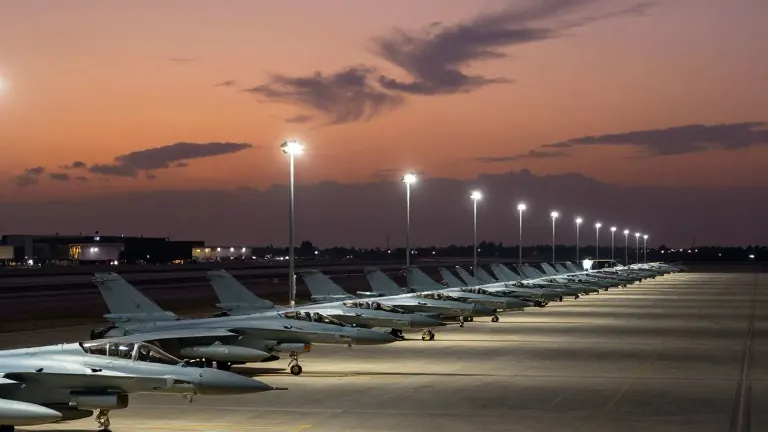
Qatar targets 2031 defense independence
Doha outlines a five-year strategy to reduce reliance on US military support through six key pillars.
By Yasmin Duda ·

Qatar aims to operate independently by 2031, a deadline set to mark the completion of a new national defense strategy. The plan addresses questions about regional security that have arisen following developments in the Gulf earlier in 2026. The objective is to build capabilities that allow the state to protect its vital interests even if the United States provides only limited assistance.
The strategy prioritizes defense autonomy over isolation. Doha intends to remain open to alliances while reducing dependence on external decisions. This approach acknowledges that while Qatar possesses advanced air defenses and a major US military base, current protections remain heavily dependent on American support during major crises.
The proposed framework rests on six pillars: air and missile defense, early warning capabilities, protection of critical infrastructure, air and naval power, cybersecurity, and restructuring security policy. The goal is to create a system that can prevent threats and maintain continuity without waiting for outside help.
A primary focus is building an integrated national air defense shield. By 2031, the system must function without external guarantors. This requires a multilayered radar network, unified command centers, and expanded counter-drone capabilities. Qatar also plans to increase ammunition stockpiles and develop dispersed storage locations to sustain operations if supply lines are disrupted.
Maritime security is treated as an economic necessity given the country's reliance on energy exports. Doha will develop a naval force designed to make attacks on maritime infrastructure difficult and costly. This includes improving surveillance, countering maritime drones, and securing shipping routes. A national resilience program will also protect critical facilities such as desalination plants, power stations, and data centers.
The plan calls for independent intelligence gathering through space-based reconnaissance and artificial intelligence. Qatar seeks to produce its own national intelligence picture before requesting assistance from allies. It will continue to rely on data from the US, France, and the UK, but aims to assess threats independently.
Diversifying security guarantees is the final pillar. The strategy suggests partnerships with South Korea, Turkiye, European powers, Pakistan, and China in specific fields. This diversification aims to reduce risks associated with a single ally without abandoning cooperation with the United States.
Source: Al Jazeera