Saudi, Turkish, and Pakistani Leaders Push Iran Toward Regional Security Pact
Delegations in Tehran seek to resolve Houthi attacks and US military threats while negotiating a new defense agreement.
By Enzo Conti ·
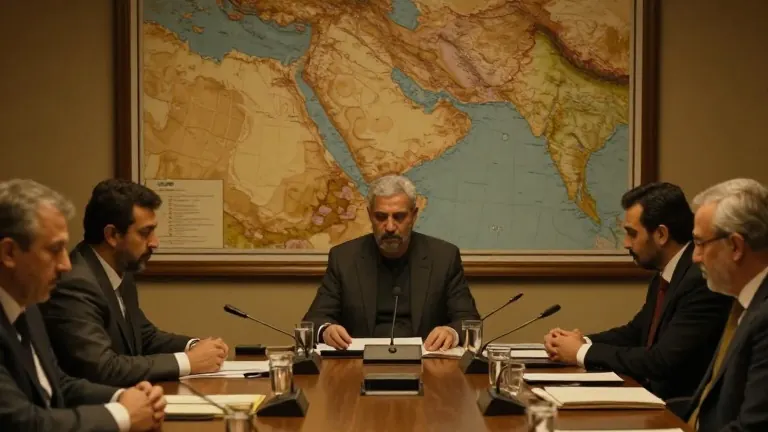
Security tensions between Iran and the United States have intensified as top officials from Saudi Arabia, Turkey, and Pakistan convened in Tehran on Monday. The primary objective of the gathering is to prevent a renewed outbreak of conflict involving the US and Israel. Mediators arrived amid sharp rhetoric from both sides and ongoing military preparations by Washington.
The diplomatic effort centers on two immediate crises. First, Iranian officials are expected to pressure the Houthis in Yemen to halt missile and drone attacks on Saudi infrastructure. The Houthis recently claimed they closed Riyadh airport, causing substantial damage to the Saudi economy. Second, the group is negotiating Iran's potential inclusion in a new security pact among Islamic nations.
Key figures in the talks include Saudi Defense Minister Khalid bin Salman, Pakistani Field Marshal Asim Munir, and Turkish Intelligence Chief Ibrahim Kalın. They met with senior Iranian security officials and negotiators to push for a deal between Tehran and Washington. These three nations previously signed a defense agreement in Mecca in August. While some in Iran viewed that accord as a challenge to Tehran, the signatories have maintained it is a simple mutual defense pact.
The meeting highlights a strategic shift in how Gulf states view regional security. No Gulf state openly supported the US and Israeli attacks on Iran last year or in February this year, though some cooperated covertly. Iran has retaliated by targeting US bases and energy infrastructure in the region. This dynamic has reopened debates in the Gulf about whether heavy US military presence provides reassurance or insecurity. Oman has already explored a regional security pact that includes Iran.
Iranian Foreign Ministry spokesperson Esmaeil Baghaei stated the meeting could pave the way for broader regional cooperation based on shared interest. He noted that the past eight months have shown sustainable security is only possible through trust and cooperation among regional countries. Former foreign minister Javad Zarif, a long-time advocate for regional alliances, called for a comprehensive network based on non-aggression and mutual trust. Zarif argued that regional security must be created by the region's people, not imported.
The negotiations occur against the backdrop of Pentagon briefings detailing a major US military buildup in preparation for a possible assault after midterm elections. Qatari mediators spent much of Sunday in Tehran seeking terms for Iran to reopen the Strait of Hormuz. Israeli media reported that Prime Minister Benjamin Netanyahu has pressured the military to provoke a war with Iran before Tuesday's elections. Donald Trump's calls for Netanyahu's re-election have added to the regional perception that the US and Israel are long-term sources of insecurity.
Resistance to a security pact remains strong in parts of the Middle East due to recent economic damage inflicted by Iran. Iranian hardliners increasingly argue that assembling a nuclear bomb is the best path to security, challenging the previous ban on weapons of mass destruction. A final pact may take months to negotiate and may not satisfy Washington's demand that Iran reopen the Strait of Hormuz before lifting US sanctions.
Source: The Guardian