Spain's Set Lunch Costs €14.70 as Daily Servings Drop
The average price of the menú del día has risen, and restaurant owners face pressure to adapt to changing consumer habits and rising operating costs.
By Yasmin Duda ·
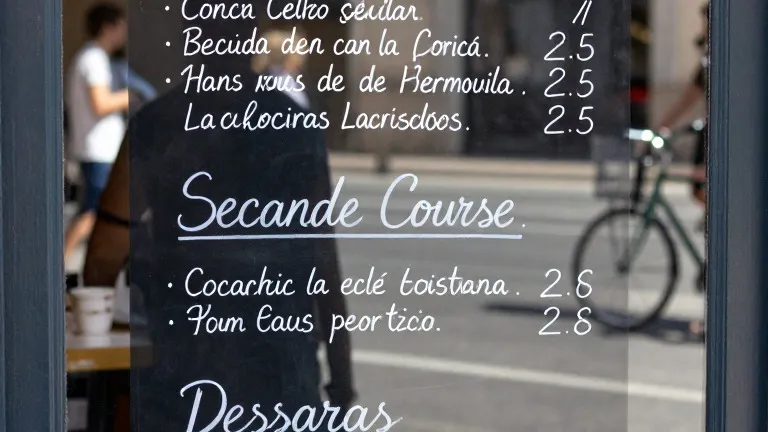
The average cost of a daily set lunch in Spain has reached 14.70 euros.
Approximately four million of these meals are served on weekdays, but the tradition is losing ground. In 2009, chef Ferran Adrià declared the custom dead, citing economic downturns and the rise of bistro-style restaurants that charge 20 to 30 euros for similar offerings. That prediction proved premature, as the practice has persisted for more than half a century.
The menú del día originated in the mid-1960s as a strategy by Manuel Fraga, the information and tourism minister under dictator Francisco Franco. The regime aimed to show foreign visitors that Spanish food was plentiful and affordable. The law required a soup starter, a main course of egg, fish, or meat with a side, and a dessert. Prices were fixed between 50 and 250 pesetas, and the included quarter-litre of wine had to be a pure Spanish red or white with at least 12% alcohol. By the early 1970s, the offer was renamed to encourage local Spaniards to eat out rather than viewing it as a tourist trap.
Spanish food journalist Lakshmi Aguirre traces this history in her new book, Menú del Día: Everyday Scenes of a First Course, a Second Course and Pudding. She notes that many people are surprised to learn of its origins under Franco. "It says a lot about us Spaniards; we forget very quickly," Aguirre said. She argues the tradition is in trouble but not finished, serving as a reflection of Spanish society's evolution.
Current pressures include rising energy and food costs, which make it difficult for small, family-run restaurants to maintain rotating daily menus. Many people short on time now prefer quick lunches, bringing food from home or using supermarket ready meals. Some restaurants have responded by offering a single "dish of the day" or adding Latin American staples to reflect changing demographics. Aguirre accepts these shifts, noting the menu has always mirrored the society that eats it.
Aguirre describes the menu as a vital meeting point for families with limited means and people living alone. "What's being lost is a meeting point," she said. She added that the privilege of the menu lies "not just in being able to pay for a meal, but also in having the time to enjoy it." Her ideal venue features simple dishes, a changing menu, and fresh ingredients, avoiding trends like avocado or sourdough bread.
The tradition continues to appear on blackboards and whiteboards in restaurant windows across Spain. While the number of daily servings has declined from its peak, the fixed-price lunch remains a central part of the midday routine for millions of workers. The average price of 14.70 euros reflects the current economic reality for these establishments.
Source: The Guardian