SpaceX declines military contracts as Spanish rocket maker targets 2027 debut
The aerospace sector sees shifting alliances and capital raises, with SpaceX passing on US Space Force bids while PLD Space advances its Miura 5 rocket.
By Yasmin Duda ·
For investors and industry observers tracking the commercial space market, this week brought a mix of strategic pivots and capital movements. The most significant development involves SpaceX, which has chosen to pass on three launch contracts offered by the US Space Force. This decision signals a potential shift in how the company prioritizes its military and civil space portfolios, while simultaneously, a Spanish startup is moving closer to its maiden flight.
The first key point concerns the US Space Force's recent proposal to SpaceX. According to reports from Aviation Week and other industry trackers, the company has formally declined the three military launch opportunities. This refusal is notable given SpaceX's historic dominance in the US government launch sector. The move suggests the company may be seeking to balance its workload or negotiate different terms for future military contracts, a decision that could have ripple effects on the competitive landscape for other US launch providers.
On the civil space front, a NASA safety panel has provided new details regarding the Starship vehicle. The panel indicated that up to 22 refueling operations in orbit might be required to support a lunar landing mission. This technical specification offers a clearer picture of the complex logistics involved in deep space missions and highlights the engineering challenges SpaceX must overcome before it can fully realize its lunar ambitions.
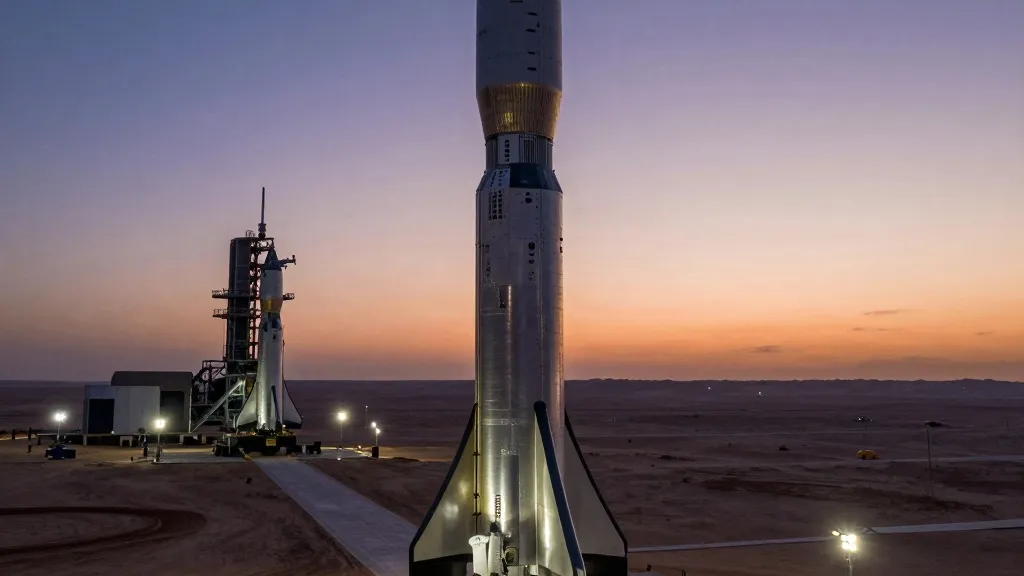
The third major development comes from Spain, where PLD Space is accelerating the development of its Miura 5 rocket. The company announced that the vehicle is nearing final integration, with a target for its inaugural flight before mid-2027. CEO Raúl Torres confirmed that three Miura 5 rockets have already been manufactured, with two designated for qualifying key system elements and the third prepared for the first operational launch.
Contextualizing these events requires looking at the broader financial landscape of the launch industry. While SpaceX makes strategic choices about its contract portfolio, other players are aggressively raising capital to scale. Reaction Dynamics, a Canadian launch startup, is seeking to raise $350 million to expand its workforce significantly. The company currently employs 68 people and aims to grow that headcount to more than 350, a move designed to support the development of its Aurora small-lift rocket, which is targeted for orbital debut in 2028.
Reaction Dynamics is not stopping at small-lift capabilities. The firm has also outlined plans for a medium-lift rocket named Borealis, with a debut planned for 2031. This dual-track approach mirrors the strategy of many modern launch providers who seek to capture different market segments simultaneously. The capital raise will be critical in determining whether the company can meet these ambitious timelines and compete in an increasingly crowded global market.
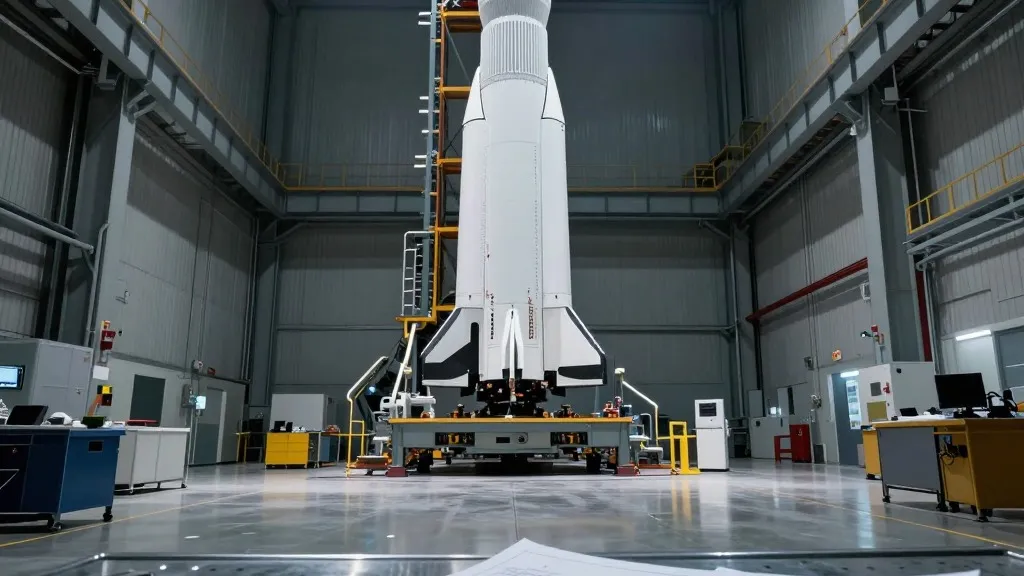
Back in Spain, PLD Space is conducting rigorous testing to ensure the reliability of its Miura 5. One second stage is currently at the company's Teruel test facility, where it is undergoing a qualification campaign that includes a wet dress rehearsal and a static hot-fire test. Torres noted that manufacturing multiple vehicles has allowed their teams to apply lessons learned from each qualification campaign directly to the launch vehicle, a process aimed at reducing technical risks before the first flight.
Looking ahead, the interplay between established giants like SpaceX and emerging startups like PLD Space and Reaction Dynamics will define the next phase of the space economy. As SpaceX navigates its relationship with the US military, the window for other providers to establish a foothold in both government and commercial markets may be widening. The coming months will test whether these new entrants can translate their technical progress and funding successes into successful orbital launches.
Source: Ars Technica · original report published
More Business · Bad Service · Report a business · Got a Story?