2028 Race Heats Up: Midterm Losses Spark Early Presidential Moves
Democratic victories on Nov. 3 triggered immediate campaign groundwork, while Republican leaders debate strategy and potential candidates emerge.
By Enzo Conti ·
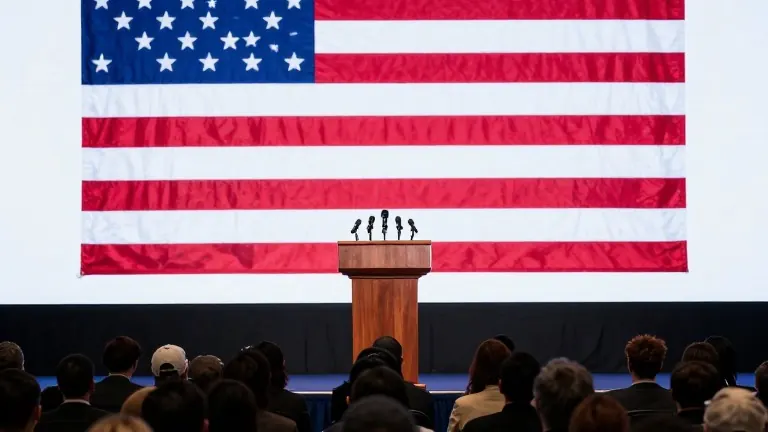
Democratic politicians moved swiftly on Nov. 3 to position themselves for the 2028 presidential election following a sweep of key Senate and House races. The immediate reaction from both parties signals a compressed timeline for primary contests and a focus on national messaging. Sen. Jon Ossoff of Georgia, who secured a second term, used his victory speech to outline a specific platform for a future presidential bid.
Ossoff emphasized unity and policy goals in his address. "Tonight in Georgia we’ve proven not just that unity is possible, but that we can overcome division without sacrificing clarity of purpose," he stated. The senator detailed campaign priorities including banning corporate money, leading on global human rights, and guaranteeing healthcare for all Americans. Other Democratic figures mentioned in early speculation include Governors Wes Moore of Maryland, JB Pritzker of Illinois, and Josh Shapiro of Pennsylvania.
The timeline for these developments began with the Nov. 3 midterm elections. Democrats won control of key legislative seats across the nation. In the hours following the results, Ossoff delivered his victory speech. By the following days, Vice President JD Vance and other Republican figures began analyzing the losses. The political atmosphere shifted rapidly as candidates assessed their standing for the next cycle.
Republican responses focused on diagnosing the causes of the midterm defeat. Vice President JD Vance posted on social media, stating, "The reason we lost is the war. The president himself said so last night." Donald Trump Jr. shared the post shortly after it was published. Rep. Greg Steube of Florida took a different approach, blaming GOP leadership for the election night results. These comments indicate a internal reassessment of strategy among Republican lawmakers.
President Donald Trump addressed the early speculation about Vice President Vance’s potential candidacy. When asked about the post, Trump avoided endorsing any specific candidate for 2028. "You’re going to have a lot of people, maybe a lot of people are running. Maybe nobody’s going to run. Maybe he won’t run. I don’t know who’s going to run," Trump said. His comments suggest the White House is monitoring the field without committing to a frontrunner.
Formal entry into the race has already begun for at least one candidate. Former Rep. Harold Ford, a Democrat, announced the creation of an exploratory committee for a possible White House run. This announcement occurred before the end of the week following the midterms. The committee allows Ford to test name recognition and raise funds without officially declaring a candidacy.
The next scheduled steps involve formal declarations and primary filings. Ossoff and other named Democrats will likely hold further rallies to test national support. Republican leaders are expected to hold strategy sessions to address the midterm results. The exploratory committee for Ford will determine if he files for candidacy or remains in exploration mode through the next quarter.
Source: KPTV