UK Officials Threatened to Boycott Commonwealth Summit Over Slavery Reparations
British leaders warned against adding the issue to the agenda, but Prime Minister Andy Burnham has agreed to structured dialogue.
By Yasmin Duda ·
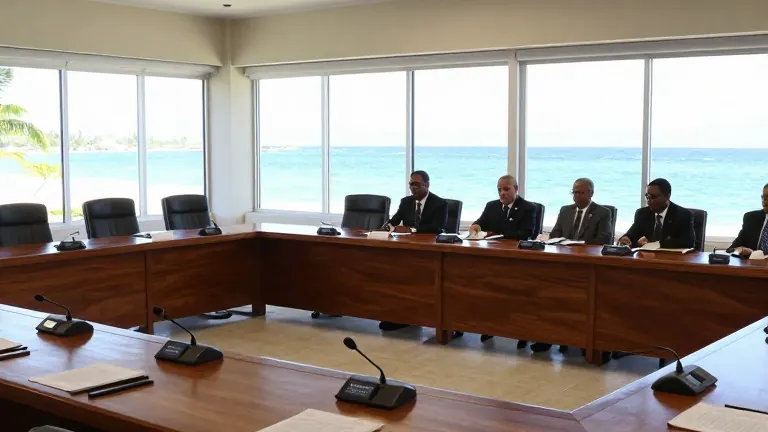
British government officials initially opposed including slavery reparations on the agenda for the Commonwealth Heads of Government summit in Antigua and Barbuda. Ralph Gonsalves, a former prime minister of St Vincent and the Grenadines and a leader in the Repair Campaign, stated that UK representatives insisted the topic should not be formally discussed. He noted that Canadian officials joined in this resistance.
Gonsalves told the Guardian that British officials warned Prime Minister Andy Burnham might not attend the meeting if reparations were added to the official program. The summit, which begins on Sunday, involves 56 nations. Its stated priorities include trade, climate resilience, sustainable debt, democracy, and youth investment. Despite the official agenda, Gonsalves said the issue has become central to political conversations due to recent events at the United Nations and within the Caribbean.
Gonsalves disputed a claim that India opposed the agenda item. He pointed to India's support for a UN General Assembly resolution on March 25, 2026, as evidence that the British narrative was incorrect. He described the UK's eventual decision to enter structured dialogue as a reluctant move. "The British government, they’re coming, kicking and screaming to the table of structured dialogue. But at least they’re coming," he said.
On Friday, Burnham announced in an op-ed that the UK would engage in structured dialogue on reparations and consider an apology. This marked a shift from previous British positions. Sir Hilary Beckles, chair of the Caribbean Community Reparations Commission, called the meeting the Commonwealth summit of reparations. He described reparatory justice as the top priority for Caribbean nations attending the event.
Guyana President Irfaan Ali welcomed Burnham's statement and proposed a Commonwealth subcommittee to define the dialogue over the next six to 12 months. Ali argued that discussions should focus on developmental consequences rather than just financial compensation. He suggested the UK work with nations to address gaps in health, education, social services, and infrastructure.
Barbados Prime Minister Mia Mottley thanked Burnham for breaking new ground but maintained that the two sides still hold different views. She identified an apology, investment in health and education, and fairer debt terms as areas where agreement is possible. Bahamas Prime Minister Philip Davis emphasized that the talks are about enduring consequences and meaningful redress, not just historical remembrance.
King Charles is expected to attend the summit on the 45th anniversary of Antigua and Barbuda's independence, but he is not expected to offer a full apology like Burnham. Protests are planned as the leaders travel to St John's. On Sunday, Kemi Badenoch described an apology for the transatlantic slave trade as a navel-gazing distraction. Gonsalves responded that he wants to sit down with her to explain the movement's goals.
Source: The Guardian