Iran Bans Navy Entry Amid Oil Spike
Tehran declared US naval vessels barred from the region on Saturday as Brent crude reached $117 and diplomatic talks stalled in Istanbul.
By Yasmin Duda ·
President Donald Trump stated on Friday that the United States might launch another major bombing campaign against Iran. This decision comes as oil prices surge and the eight-month conflict remains unresolved.
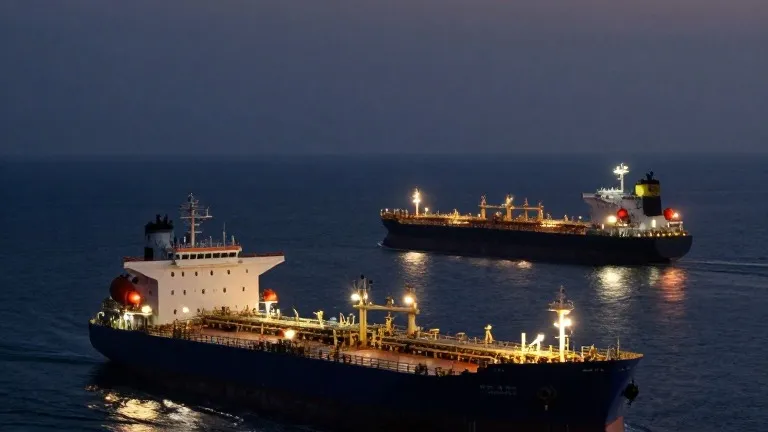
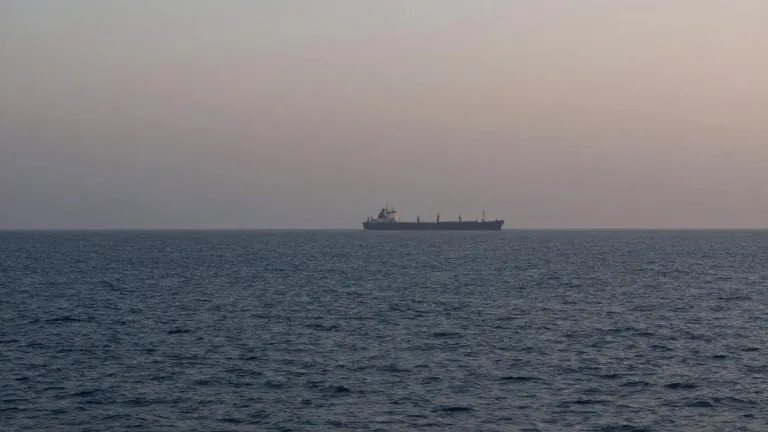
The current standoff follows a sequence of military and diplomatic shifts over the past few days. The war began on February 28 with a surprise attack by the US and Israel, which Iranian leaders described as the start of a regional quagmire. Since then, the Islamic Revolutionary Guard Corps has maintained an offensive posture, attacking shipping in the Strait of Hormuz. On Thursday night, the IRGC reported that seven tankers were attacked or hit mines. By Friday, the group claimed two supertankers had been struck by mines. These attacks have pushed Brent crude to approximately $117, the highest level since April.
In response to the rising tensions, Ali Abdollahi, the chief of general staff of Iran's armed forces, issued a statement on Saturday morning via state media. He declared that the US Navy cannot re-enter Iranian territorial waters or surrounding areas. Abdollahi stated that Iran can target any vessel in the region and that US soldiers entering the Persian Gulf is merely a dream. He also criticized American rhetoric, arguing that while Washington claims Iranian military capabilities are largely destroyed, it has not moved its aircraft carriers and support ships closer to Iranian territory. This hesitation, he said, underscores the contradictory nature of US strategy.
The conflict has expanded beyond the Persian Gulf. In Yemen, Iran-allied Houthis struck Riyadh on Saturday. This followed recent attacks on Dammam's international airport and the Shaybah oilfield. Saudi forces retaliated by bombing Houthi-held areas, including Marib and Taiz. In southern Lebanon, Israeli air strikes hit the area around Nabatieh, and artillery fell near Zawtar ash-Sharqiyah. Meanwhile, Israeli Prime Minister Benjamin Netanyahu ordered a lockdown of the occupied West Bank after a Palestinian attack killed two soldiers in Hebron. Netanyahu faces an election in the West Bank and Gaza on October 27.
Washington has reportedly ordered many diplomatic staff to leave Saudi Arabia, with others expected to depart from additional regional countries. On Saturday, Axios reported based on US intelligence that Iran has substantially increased efforts to strike American officials in the Middle East and other locations. Iranian state-linked media also claimed that Tehran has activated a dead hand doctrine. Under this policy, attacks on US, Israeli, and regional interests would continue from all 31 provinces if senior leaders are assassinated. The IRGC has also threatened seabed internet and communication cables if civilian infrastructure is targeted again.
Diplomatic efforts to resolve the crisis have so far failed to produce progress. On Friday, senior diplomats from Turkiye, Saudi Arabia, Pakistan, and Egypt met with counterparts from the UK, France, Germany, and Italy in Istanbul. The United States and Iran were not present at the meeting. Turkiye's Foreign Minister Hakan Fidan stated that a new attack on Iran would widen the war and spread the conflict across the region. He noted that no one is endorsing such an attack at this point. German Foreign Minister Johann Wadephul blamed Iran and the Houthis for regional instability. The four regional ministers countered that Israeli occupation was the main source of instability. All parties backed the Islamabad memorandum of understanding signed in June and demanded unrestricted passage through the Strait of Hormuz.
Iranian media affiliated with the Supreme National Security Council said the Istanbul meeting revealed a gap between diplomatic claims and field realities. They argued that the US and European powers must concede first. Reformist newspaper Etemad suggested that the zero hour of another intense round of conflict is approaching. Analyst Reza Nasri wrote on X that Iran will no longer negotiate under bombardment and will end the cycle by all necessary means.
The next major scheduled event is the Israeli election on October 27. Until then, the naval blockade and sanctions continue to squeeze Tehran, while the US weighs whether to end the fighting quickly with massive strikes or maintain pressure.
Source: Al Jazeera