Michigan Senate race: Former rivals clash over Israel
Haley Stevens attended a service with Republican Mike Rogers, splitting the Democratic party days before the vote.
By Yasmin Duda ·
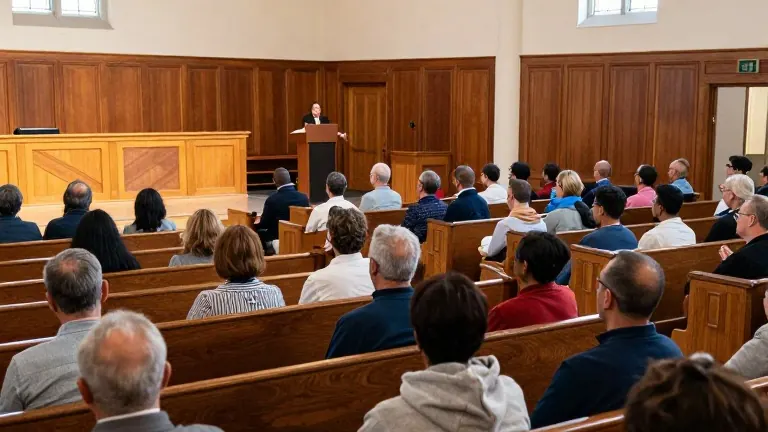
Former primary rivals in Michigan split their support at a Detroit church on Sunday. Haley Stevens stood alongside Republican candidate Mike Rogers during the service. Her ex-rival, Abdul El-Sayed, held a separate religious event nearby. This public division occurred days before the general election.
Stevens previously lost to El-Sayed in the August Democratic primary. She is now backing the candidate endorsed by President Donald Trump. The move follows a week of public friction between the two former candidates. The dispute centers on El-Sayed’s comments regarding Israel.
Stevens expressed her position in a written statement on Friday. She noted that El-Sayed promises to remove money from politics. She suggested he start by excluding Israel from his explanations about Michigan’s costs. “Abdul promete eliminar la influencia del dinero en la política,” Stevens wrote. “Puede empezar por excluir a Israel de su explicación sobre todo aquello que Michigan no puede permitirse.”
Congresswoman Debbie Dingell helped organize a joint appearance that fell through. Dingell said she asked Stevens to stay home from the combined event. Stevens agreed to the request. Dingell explained the decision in a phone interview. “Fui yo quien lo retiró porque se había vuelto demasiado distractor,” Dingell said. “Para ser sincero, no pensaba pasar así el fin de semana antes de las elecciones.”
The conflict intensified after an external group released a campaign ad. The ad linked U.S. support for Israel to high food prices in Michigan. Stevens asked El-Sayed to condemn the advertisement. El-Sayed responded that the ad was not from his campaign. He said he did not agree with its content. He called the dispute an attempt to reopen a primary debate that ended three months ago.
Stevens’s fiancé announced last week that he would vote for Rogers. He cited El-Sayed’s handling of concerns from the Jewish community. Stevens appeared on CNN on Wednesday to reaffirm her support for El-Sayed. She urged the campaign to ignore hatred and call it out. Her team did not respond to repeated requests for comment on Sunday.
El-Sayed is a former public health official. He faces off against Rogers, a former congressman, for the seat held by retiring Democrat Gary Peters. Michigan is a key state for Democrats. They need the seat to maintain a majority in the final two years of Trump’s second term. The state has a large Black and Jewish voting population that is crucial for turnout.
Stevens won the primary in Wayne and Oakland counties. These counties include Detroit and have strong Democratic coalitions. El-Sayed’s campaign plans included visits to churches with Rep. Jim Clyburn of South Carolina. The event aimed to show a united front for Black and Jewish voters. The recent disputes have complicated that message in key areas.
Early voting began on October 24. This started before the latest tensions emerged. El-Sayed will be the first Muslim senator if he wins. The race remains tight. Dingell said the party needs to focus on major issues rather than internal conflicts. “Ustedes solo quieren hablar de Abdul y Haley,” Dingell said. “Y en realidad deberíamos estar hablando de los temas importantes sobre los que la gente debería votar el martes.”
El-Sayed’s Sunday event included Sen. Angela Alsobrooks of Maryland. Detroit Mayor Mary Sheffield also attended. Garlin Gilchrist II, the state secretary of state candidate, joined the group. Several Michigan bishops were present. The Democrats hope to boost turnout in Detroit. About three-quarters of the city’s residents are Black. Dingell said, “La unión hace la fuerza, la división nos debilita.”
Source: KTVW-DT